
EN
Follow us on
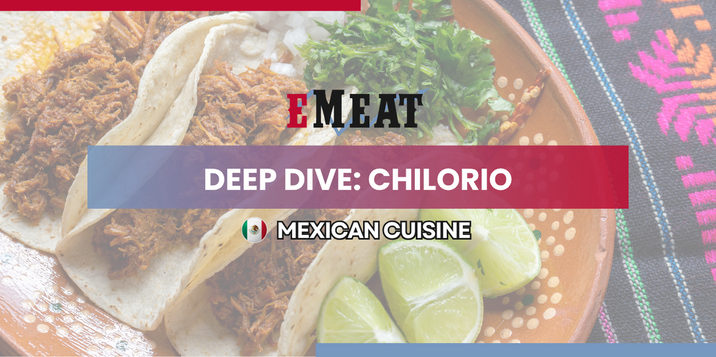
The "Cured" Shredded Pork of the North
Chilorio has been a staple of Sinaloan cuisine for over 300 years.
Preservation Roots: Before refrigeration, the people of Culiacán needed a way to preserve pork in the blistering northern heat. They developed a process of frying shredded meat in lard and sealing it with a heavy concentration of chilies and vinegar—essentially "pot-potting" the meat to prevent bacterial growth.
The "Mochis" Connection: While found throughout Sinaloa, the city of Los Mochis is world-renowned for its specific spice profile and high-quality lard.
Unlike the heavy dinner associations of Birria or Carnitas, Chilorio is the ultimate breakfast and brunch protein.
Chilorio con Huevo: The most iconic preparation. The seasoned pork is tossed into a pan with scrambled eggs.
Flour Tortilla Tacos: Because it is a northern dish, it is almost exclusively paired with large flour tortillas (tortillas de harina) rather than corn.
The "To-Go" Snack: Due to its dry, oily texture (rather than saucy), it is a favorite for burritos consumed by travelers and workers.
Chilorio is unique because it is more famous as a packaged product than a restaurant dish in the U.S.
Chata (Products Chata): This is the "gold standard" of Chilorio. Based in Sinaloa, they dominate the U.S. import market. If you see a silver pouch of Mexican meat in an American grocery store, it is likely Chata Chilorio.
Sinaloa-Style Chains: While rare as a standalone chain, many "Mariscos" (Mexican seafood) establishments from Sinaloa serve Chilorio as a side or breakfast item.
CPG Penetration: It is highly successful in the "Hispanic Aisle" because it is shelf-stable for up to two years without refrigeration, making it a high-margin, low-risk item for retailers.
The science of Chilorio is a delicate balance of moisture migration and microbial inhibition.
Water Braise: The pork (usually lean leg or shoulder) is first simmered in water until the water completely evaporates. This ensures the fibers are tender and "broken" but still moist.
Lipid Saturation: Once the water is gone, lard is added. The meat is fried until the exterior undergoes the Maillard reaction, but more importantly, the lard permeates the empty spaces left by the evaporated water. This creates a barrier against oxygen.
The Vinegar Kick: Traditional Chilorio uses a significant amount of white or apple cider vinegar. This drops the pH of the meat to approximately 4.2 to 4.6. This acidity, combined with high salt and the natural capsaicin in the chilies, creates a "triple-threat" hurdle for spoilage bacteria like Clostridium botulinum.
Oleoresins: The dried Pasilla or Guajillo chilies used contain natural oils (oleoresins) that act as a coating, preventing the fats in the pork from going rancid through oxidation.
Manual Shredding: Artisans pull the meat into very fine, hair-like strands. This maximizes the surface area for the chili-lard paste to adhere to.
Spices: Uses whole cumin, oregano, and garlic toasted and ground on a metate (stone grinder).
The Lard Ratio: Artisanal Chilorio is notoriously "greasy" in a good way; the meat is almost suspended in flavored lard.
Chilorio was the first Mexican dish to be successfully mass-commercialized in pouches because its ingredients are naturally heat-stable.
The "In-Pouch" Finish: In industrial settings, the meat is often partially cooked, then the chili-lard-vinegar mixture is added directly to the pouch. The final "fry" happens during the retort (pressure cooking) process inside the sealed bag.
Stabilizers: To prevent the lard from separating into a "clump" at the bottom of the pouch, industrial manufacturers add Soy Lecithin or other emulsifiers. This keeps the chili-oil and meat fibers integrated so the product looks appealing immediately upon opening.
Mechanized Shredding: Factories use high-speed "claw" shredders. While efficient, this can sometimes result in a "pulpier" texture compared to the distinct strands of artisanal Chilorio.
| FEATURE | ARTISANAL (Traditional) | INDUSTRIAL (CPG Pouch) |
| Primary Fat | Fresh Rendered Lard | Lard + Vegetable Oil / Emulsifiers |
| Preservation | Vinegar + Low pH + Lard Seal | Retort Sterilization (Pressure/Heat) |
| Texture | Distinct, fine strands | Softer, integrated "paste" |
| Shelf Life | 2–4 weeks (refrigerated) | 18–24 months (shelf-stable) |
Beef
Fabrication
Questions about this Article?:

The EMEAT Team
Sales, Purchasing, RiskManagement
We simplify data analysis and interpretation with user-friendly, affordable, and customizable tools. Our market data, analytics, and insights empower everyone in the North American meat industry, from ranchers, feedlot operators, and meat packers to retailers and food service companies.
Sign Up and enjoy full access to EMEAT
Complete market data, advanced analytics, forecasting and risk management tools at your fingertips for 14 days. Don't miss the opportunity to explore EMEAT's full potential!
no payment information required


Copyright © 2021-2026. All rights reserved
This website stores cookies on your computer. These cookies are used to collect information about how you interact with our website and allow us to remember you. We use this information in order to improve and customize your browsing experience and for analytics and metrics about our visitors on this website. To find out more about the cookies we use, see ourPrivacy Policy.