
Follow us on
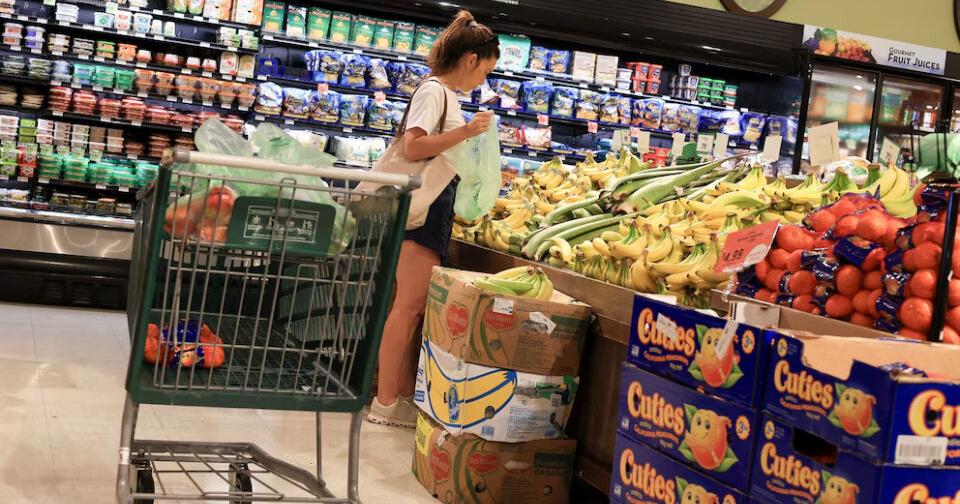
Sticker shock has plagued drivers at the gas pump since the outbreak of war with Iran, but higher prices could soon follow them to the grocery store, the mall and just about everywhere else they shop, some economists told ABC News.
The reason for that is a surge in the cost of diesel fuel, which powers many of the trucks, trains and ships that transport products across a vast global supply chain. The price hike for any individual item will likely be modest, but the pileup of extra costs could weigh on wallets, they said.
“Pretty much everything you buy off a shelf is delivered by a truck that uses diesel,” Tyler Schipper, a professor of economics at the University of St. Thomas, told ABC News. “It’s the mechanism that takes an energy crisis in the Middle East and feeds it into other prices.”
Iran has mounted a near-closure of the Strait of Hormuz, a critical trading route along the coast of Iran that facilitates the transport of about one-fifth of the global oil supply. Tit-for-tat attacks on oil and gas infrastructure across the Middle East appeared to heighten the risk in recent days.
The disruption has pushed global crude prices above $112 a barrel, which marks a staggering rise of more than 60% over the past month.
Oil accounts for about 4 of every 10 dollars in the price of diesel fuel, the U.S. Energy Information Administration says. Petroleum costs, in turn, have sent diesel prices soaring at their fastest four-week pace ever, Patrick De Haan, a petroleum analyst at GasBuddy, said in a X post on Wednesday.
The average price of a gallon of diesel stands at $5.09, jumping $1.42 or 38% over the past month, AAA data showed.
“Prices aren’t at record highs -- but the speed of this surge is,” De Haan said.
President Donald Trump earlier this week called on a number of countries, including the United Kingdom and Australia, to help open the strait to shipping traffic. He appeared to abandon the plan on Tuesday, however, saying on social media "we no longer 'need,' or desire, the NATO Countries' assistance -- WE NEVER DID! Likewise, Japan, Australia, or South Korea."
The short-lived effort to build an international coalition came days after Trump vowed a U.S. naval escort for oil tankers if needed. In an effort to lower oil prices in the meantime, the Trump administration has eased sanctions on Russian oil and suspended a key regulation of domestic oil transport, among other measures.
Since diesel is the lifeblood of the supply chain, a sudden rise in fuel costs will all but certainly result in higher prices charged by wholesalers in response to elevated transport expenses, some analysts said. In turn, many retailers will pass those costs along to shoppers, raising prices on shelves.
Questions about this Article?:
Copyright © 2021-2025. All rights reserved
This website stores cookies on your computer. These cookies are used to collect information about how you interact with our website and allow us to remember you. We use this information in order to improve and customize your browsing experience and for analytics and metrics about our visitors on this website. To find out more about the cookies we use, see ourPrivacy Policy.