
EN
Follow us on
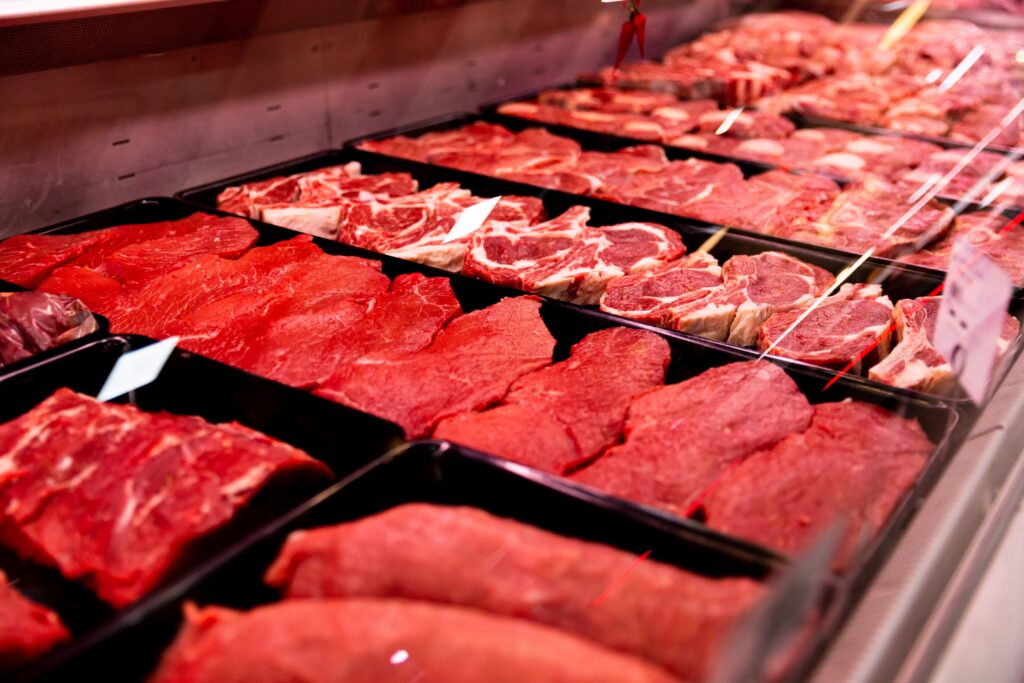
In today’s Beef Buzz, senior farm and ranch broadcaster Ron Hays speaks with Dan Halstrom, president and CEO of the U.S. Meat Export Federation, about the future of U.S. beef exports. As the organization celebrates its 50th anniversary, Halstrom discusses the importance of adapting to changing international markets, finding new opportunities for a wider range of beef products and working to restore more reliable access to China.
U.S. Beef Exports Must Adapt to Changing Markets
Halstrom said the industry cannot assume the strategies that worked in the past will continue to deliver the same results in the future. “I think the key there is we can’t assume what’s worked the last 50 years is going to work the next 50, and for that matter, you can’t assume what worked last year is going to work next year,” Halstrom said.
He said U.S. beef has a strong international reputation for safety, quality and eating experience, providing a foundation for continued export growth. However, exporters must also offer international buyers more options as they manage high beef prices and changing purchasing decisions. “They still want U.S. beef, but maybe they’re going to use more of a variety of the carcass,” Halstrom said.
He explained that some buyers may shift away from traditional cuts and explore other options, including rounds, inside and outside skirts, and variety meats.
Halstrom pointed to Guatemala as an example of a market purchasing products ranging from Prime U.S. beef to variety meats. He also identified Colombia and the Philippines as markets where exporters can pursue additional opportunities by helping buyers find uses for a broader range of products.
China Remains a Major Opportunity for U.S. Beef
In today’s Beef Buzz, senior farm and ranch broadcaster Ron Hays speaks with Dan Halstrom, president and CEO of the U.S. Meat Export Federation, about the future of U.S. beef exports. As the organization celebrates its 50th anniversary, Halstrom discusses the importance of adapting to changing international markets, finding new opportunities for a wider range of beef products and working to restore more reliable access to China.
U.S. Beef Exports Must Adapt to Changing Markets
Halstrom said the industry cannot assume the strategies that worked in the past will continue to deliver the same results in the future. “I think the key there is we can’t assume what’s worked the last 50 years is going to work the next 50, and for that matter, you can’t assume what worked last year is going to work next year,” Halstrom said.
He said U.S. beef has a strong international reputation for safety, quality and eating experience, providing a foundation for continued export growth. However, exporters must also offer international buyers more options as they manage high beef prices and changing purchasing decisions. “They still want U.S. beef, but maybe they’re going to use more of a variety of the carcass,” Halstrom said.
He explained that some buyers may shift away from traditional cuts and explore other options, including rounds, inside and outside skirts, and variety meats.
Halstrom pointed to Guatemala as an example of a market purchasing products ranging from Prime U.S. beef to variety meats. He also identified Colombia and the Philippines as markets where exporters can pursue additional opportunities by helping buyers find uses for a broader range of products.
China Remains a Major Opportunity for U.S. Beef
Halstrom said recent discussions between U.S. and Chinese leaders have acknowledged the need for both countries to work together to address trade challenges. One priority is getting suspended U.S. beef processing plants relisted, along with establishing greater clarity around residue testing and compliance requirements. “The groups acknowledge that there’s work to be done, so there’s reason for some optimism,” Halstrom said.
Questions about this Article?:
Copyright © 2021-2026. All rights reserved
This website stores cookies on your computer. These cookies are used to collect information about how you interact with our website and allow us to remember you. We use this information in order to improve and customize your browsing experience and for analytics and metrics about our visitors on this website. To find out more about the cookies we use, see ourPrivacy Policy.