
EN
Follow us on
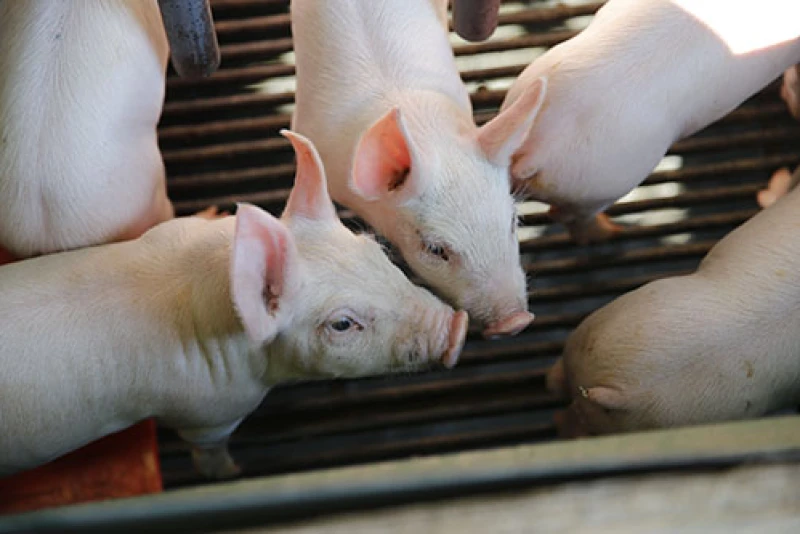
The pork industry operates on tight margins, where every pig counts. Nursery mortality isn’t just another performance metric; it’s a direct hit to profitability.
While most producers can recognize when mortality is trending in the wrong direction, the real challenge is identifying problems early enough to make a meaningful difference. Traditionally, this comes down to observation: walking pens, watching for clinical signs, and responding when something looks off. The challenge with these practices is that by the time symptoms are visible, the problem is already well underway. In many cases, producers are reacting instead of preventing.
Data provides early warning system
The SwinalytIQ team at Iowa State University (ISU), in partnership with Dr. Gustavo Silva (ISU) and Dr. Mafalda Mil-Homens (University of Barcelona), is changing that approach by using data producers already collect, such as weekly mortality records, feed intake, and water consumption to create an early warning system. Instead of relying solely on visual cues, this method detects abnormal trends before they become obvious in the barn.
The concept is simple: define what “normal” mortality looks like using historical data, then flag groups that begin to deviate from that baseline. In one dataset, more than 6,000 nursery lots with less than 5% nursery mortality were used to establish a benchmark reference curve representing expected performance. From there, statistical thresholds were applied to create alert levels when mortality patterns shift outside the norm.
When applied to high-risk groups with greater than 10% mortality, the system proved its value. Depending on how thresholds were set, problems were identified 1.6 to 2.2 weeks earlier than typical on-farm detection. That extra time gives producers a chance to step in sooner to adjust treatments and improve environmental conditions, while also triggering earlier diagnostic investigation before losses escalate. Early intervention not only reduces mortality but also helps maintain growth rate and feed efficiency across the group.
Questions about this Article?:
Copyright © 2021-2026. All rights reserved
This website stores cookies on your computer. These cookies are used to collect information about how you interact with our website and allow us to remember you. We use this information in order to improve and customize your browsing experience and for analytics and metrics about our visitors on this website. To find out more about the cookies we use, see ourPrivacy Policy.