
EN
Follow us on
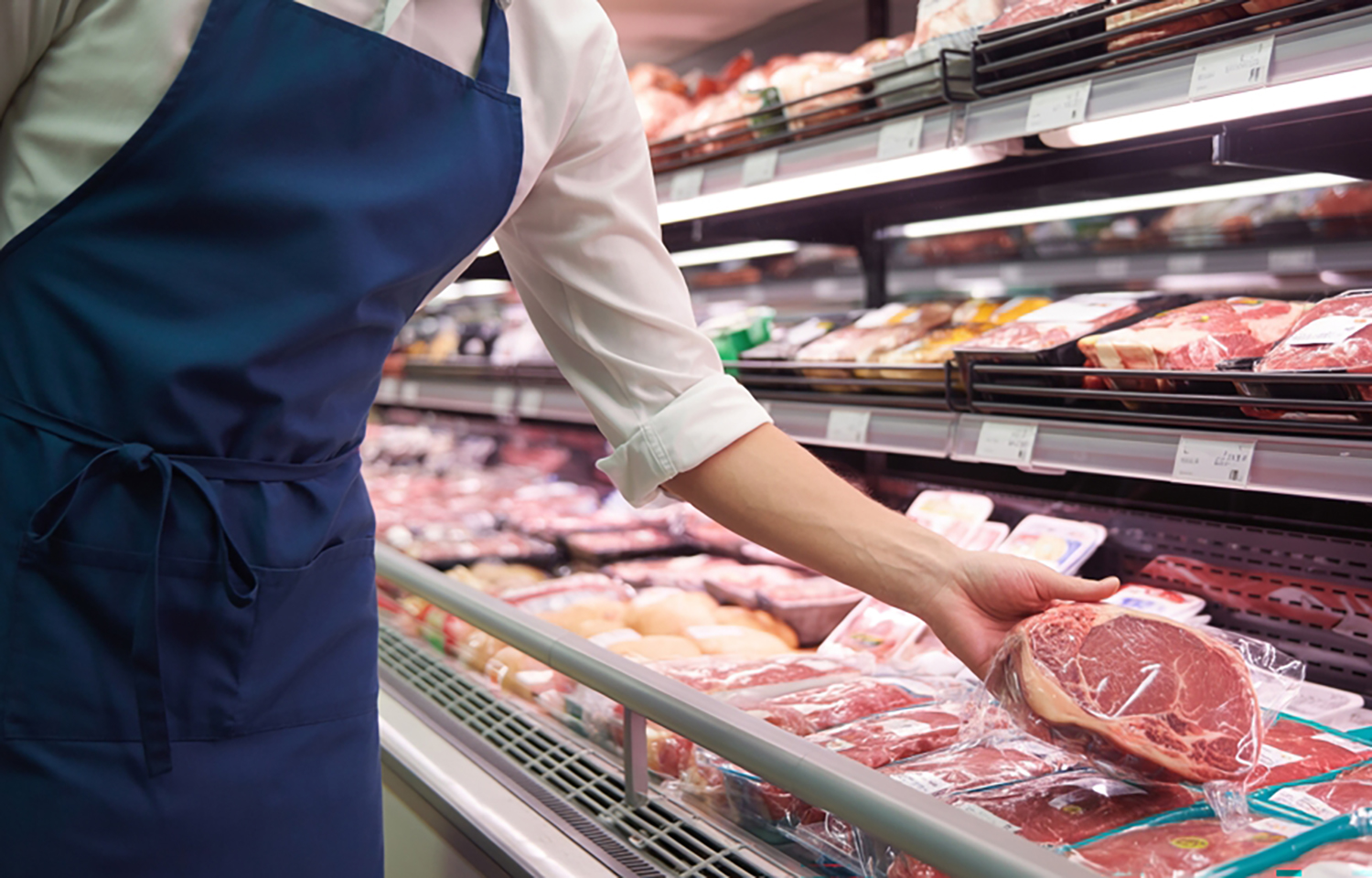
Over half of Americans are buying less beef or have stopped buying it entirely due to high prices, according to supply chain management firm Blue Yonder’s 2026 Consumer Grocery and Protein Trends survey.
Forty percent of beef buyers said they are purchasing beef less frequently, 11 percent have largely stopped buying beef, and 4 percent have completely stopped buying beef. Meanwhile, 17 percent have switched to cheaper cuts due to higher prices.
However, the same survey also found one-third of consumers have upped their overall protein purchases in the past six months.
Instead of beef, 44 percent of U.S. consumers are buying more chicken, pork, and seafood to meet their protein needs, 28 percent are buying more canned or shelf-stable proteins, 22 percent are turning to egg-based proteins, 18 percent are opting for plant-based proteins, and 10 percent are increasing purchases of protein powder substitutes.
By generation, 54 percent of Generation Z consumers have increased their purchases of protein in the last six months compared to 41 percent of millennials, 35 percent of Generation X, and 20 percent of baby boomers, Blue Yonder found.
Younger generations are most willing to pay a premium for proteins, with 48 percent of Gen Z shoppers explaining they will pay more to maintain diet and fitness routines, followed by 30 percent of millennials, 22 percent of Gen X, and 22 percent of baby boomers.
Price is not the only factor impacting shoppers’ beef purchases, as consumers surveyed said they are also concerned about the New World screwworm outbreak, which is a livestock parasite not seen in U.S. cattle for decades until recent detection in Texas.
“The data is striking. More than half of consumers are pulling back from beef, and the screwworm outbreak is adding another layer of uncertainty to an already strained supply chain,” Blue Yonder Chief Strategy Officer Wayne Usie said. “At the same time, demand for protein overall is not going away. Consumers are actively rethinking where they get their protein and how much they’re willing to pay for it.”
Recent retail data from market research firm Circana backs up the survey’s findings, outlining that beef sales by volume at U.S. retailers dropped for the first time in several months in May, dipping 1.4 percent. Sales by value rose 5.8 percent, largely due to beef prices rising 7.4 percent in the month.
Questions about this Article?:
Copyright © 2021-2026. All rights reserved
This website stores cookies on your computer. These cookies are used to collect information about how you interact with our website and allow us to remember you. We use this information in order to improve and customize your browsing experience and for analytics and metrics about our visitors on this website. To find out more about the cookies we use, see ourPrivacy Policy.