
EN
Follow us on
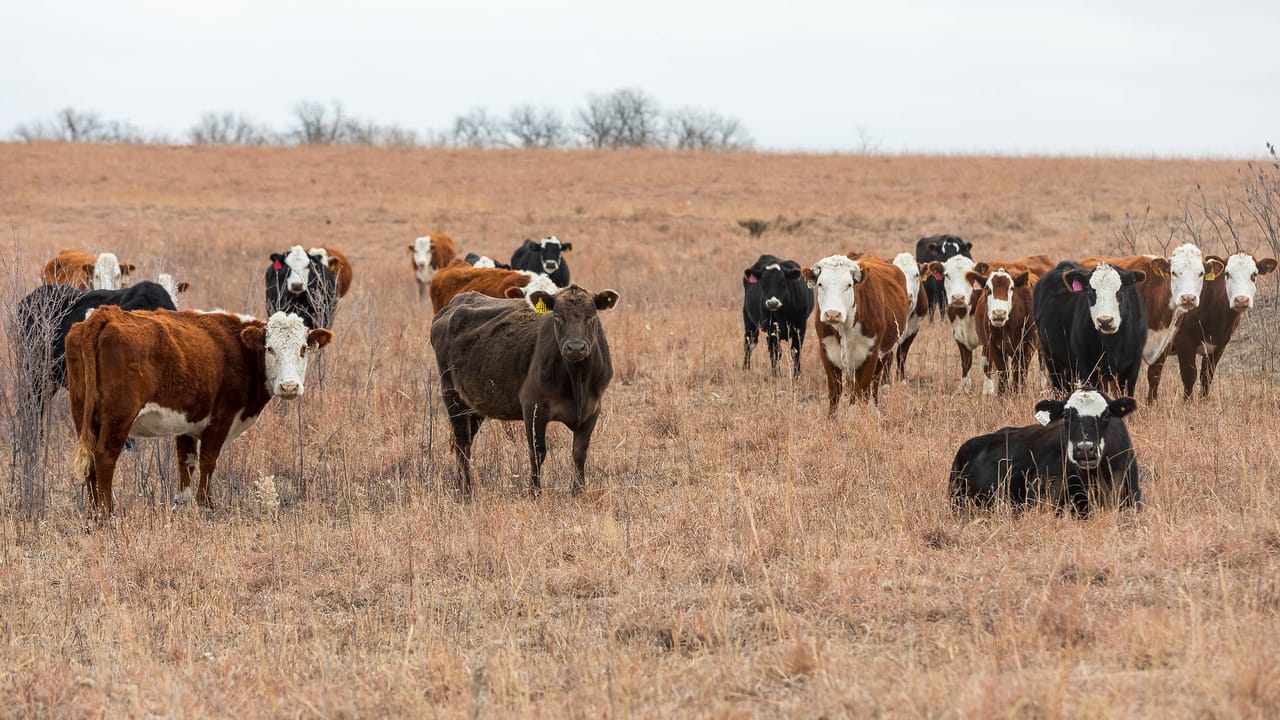
Rising input costs and growing demands to improve cattle health are pushing producers to look closely at how they manage bovine respiratory disease (BRD), one of the beef industry’s most persistent health challenges.
Researchers at Kansas State University’s College of Veterinary Medicine recently shared findings from three field trials that tested treatment strategies in real-world feedlot settings.
“We’re always looking for ways to improve animal health,” said David Renter, a professor of epidemiology and director of K-State's Center for Outcomes Research & Epidemiology (CORE). “Especially right now, it’s critical to understand how to help more animals make it across the finish line – through that high-risk sickness period and into providing safe, wholesome beef.”
Renter emphasized the purpose of the studies was not to make broad recommendations but to generate high-quality data that veterinarians and producers can use when making case-specific treatment decisions.
“That really is the mission of our center – to provide good information to the people who need it most,” he said.
The three trials were conducted over several years in collaboration with veterinarians and producers. Calves at varying levels of disease risk were enrolled, and those diagnosed with BRD were randomly assigned to different antibiotic treatments. Researchers tracked such outcomes as mortality, retreatment and chronic illness.
Questions about this Article?:
Copyright © 2021-2026. All rights reserved
This website stores cookies on your computer. These cookies are used to collect information about how you interact with our website and allow us to remember you. We use this information in order to improve and customize your browsing experience and for analytics and metrics about our visitors on this website. To find out more about the cookies we use, see ourPrivacy Policy.