
EN
Follow us on
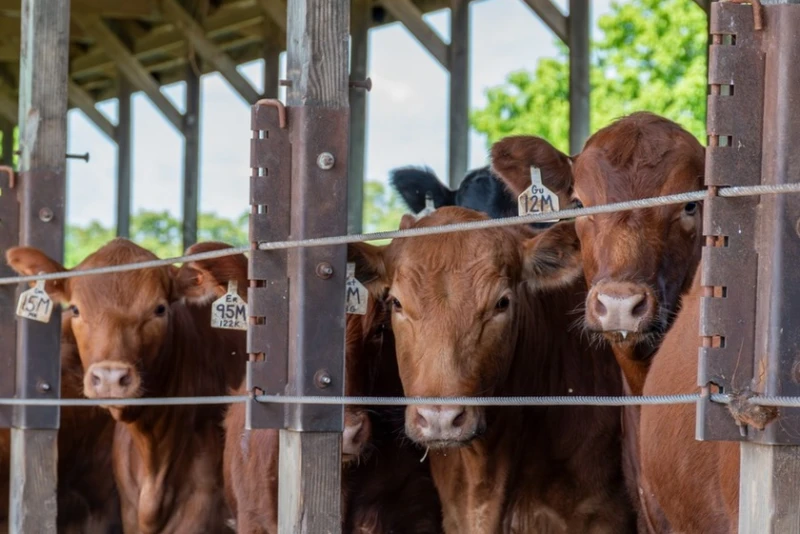
Across feedyards and stocker operations, bovine respiratory disease (BRD) outcomes are influenced by far more than a single moment in time. Strong stockmanship, like low-stress handling, facility flow and consistent daily management, alongside disease prevention, directly influence BRD pressure.
Low-stress handling matters
Transition periods naturally challenge cattle. Transportation, commingling, ration changes and unfamiliar facilities can all affect animal health, as they adapt to a new environment.
“When we get cattle in a more confined situation, there are always stressors involved,” said Kip Lukasiewicz, DVM, with Production Animal Consultation. “What we don’t want is that initial stress turning into chronic stress.”
Jody Wade, DVM, Boehringer Ingelheim, further explains how stress influences BRD management.
“The way we handle cattle can make a huge difference in how they respond to vaccines and antibiotics,” he said. “Reducing stress through good animal handling and stockmanship is so important for cutting down respiratory disease.”
Strong BRD management often comes down to consistent protocols and day-to-day cattle management.
“Operations that manage respiratory disease well are vigilant about doing the same things every day,” stressed Dr. Wade.
Dr. Lukasiewicz agrees, but notes that labor turnover continues to challenge many operations.
“The biggest handling challenge we have is experience in our labor,” said Dr. Lukasiewicz. “It’s not just about training new employees. It’s about building strong trainers and leaders within the team. Consistency only happens when training is continuous.”
He also emphasizes the importance of understanding how cattle naturally move as prey animals.
Questions about this Article?:
Copyright © 2021-2026. All rights reserved
This website stores cookies on your computer. These cookies are used to collect information about how you interact with our website and allow us to remember you. We use this information in order to improve and customize your browsing experience and for analytics and metrics about our visitors on this website. To find out more about the cookies we use, see ourPrivacy Policy.