
EN
Follow us on
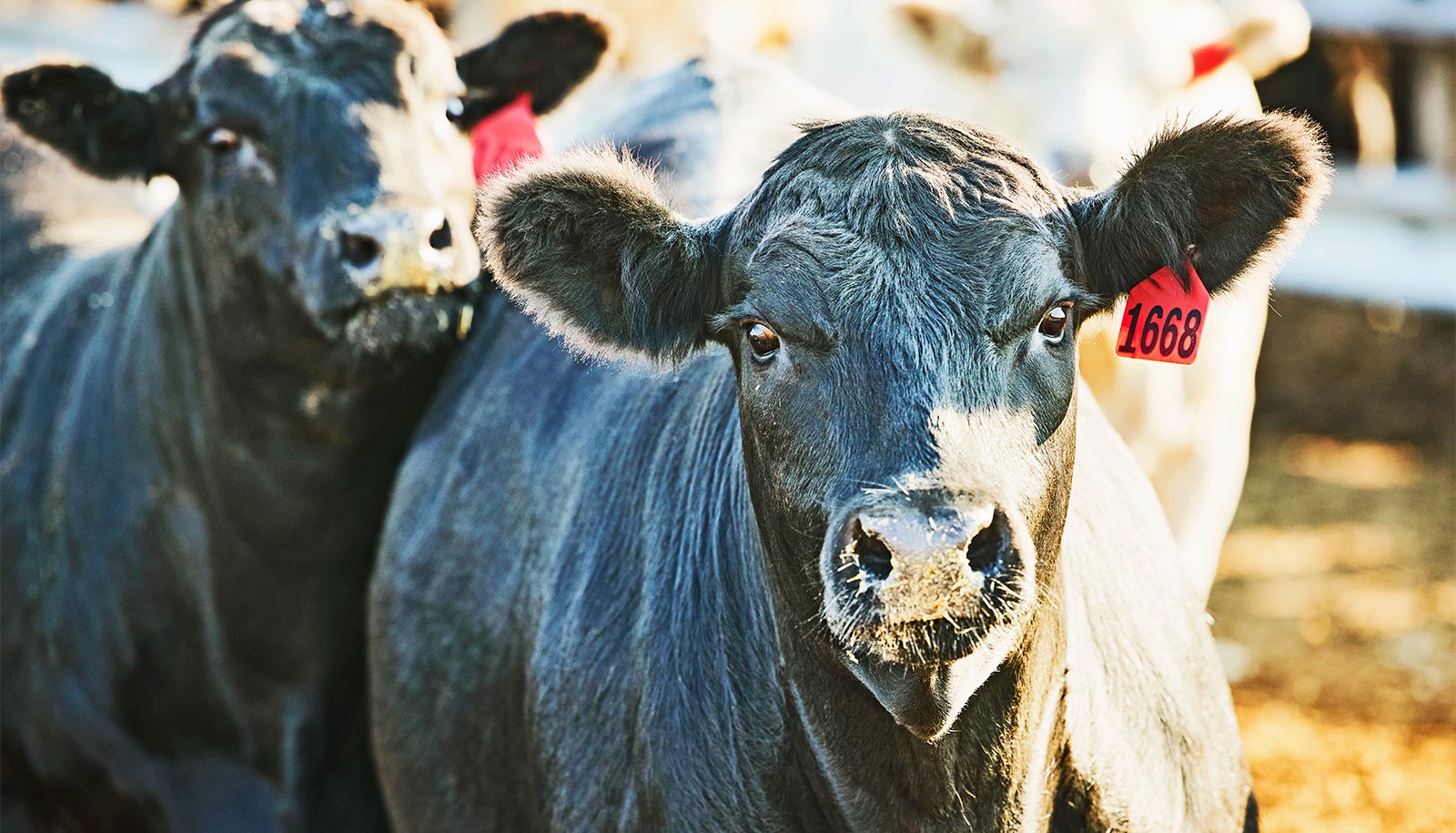
Scientists and environmental activists have consistently called for drastic reductions in meat production as a way to reduce emissions and, in doing so, combat climate change.
However, the new analysis concludes that a smaller reduction, borne by wealthier nations, could remove 125 billion tons of carbon dioxide—exceeding the total number of global fossil fuel emissions over the past three years—from the atmosphere.
Small cutbacks in higher-income countries—approximately 13% of total production—would reduce the amount of land needed for cattle grazing, the researchers note, allowing forests to naturally regrow on current pastureland. The return of trees—long known to effectively absorb, or sequester, carbon dioxide (CO2)—would drive significant declines in fossil fuel emissions, which the study’s authors estimate would roughly equal three years’ worth of global emissions.
“We can achieve enormous climate benefits with modest changes to the total global beef production,” says Matthew N. Hayek, an assistant professor in New York University’s environmental studies department and the lead author of the analysis in the journal Proceedings of the National Academy of Sciences.
“By focusing on regions with potentially high carbon sequestration in forests, some restoration strategies could maximize climate benefits while minimizing changes to food supplies.”
The analysis found that pasturelands, especially in areas that were once forests, hold immense promise for mitigating climate change. When livestock are removed from these “potential native forest” areas, ecosystems can revert to their natural forested state, capturing carbon in trees and soil.
Questions about this Article?:
Copyright © 2021-2026. All rights reserved
This website stores cookies on your computer. These cookies are used to collect information about how you interact with our website and allow us to remember you. We use this information in order to improve and customize your browsing experience and for analytics and metrics about our visitors on this website. To find out more about the cookies we use, see ourPrivacy Policy.