
Follow us on
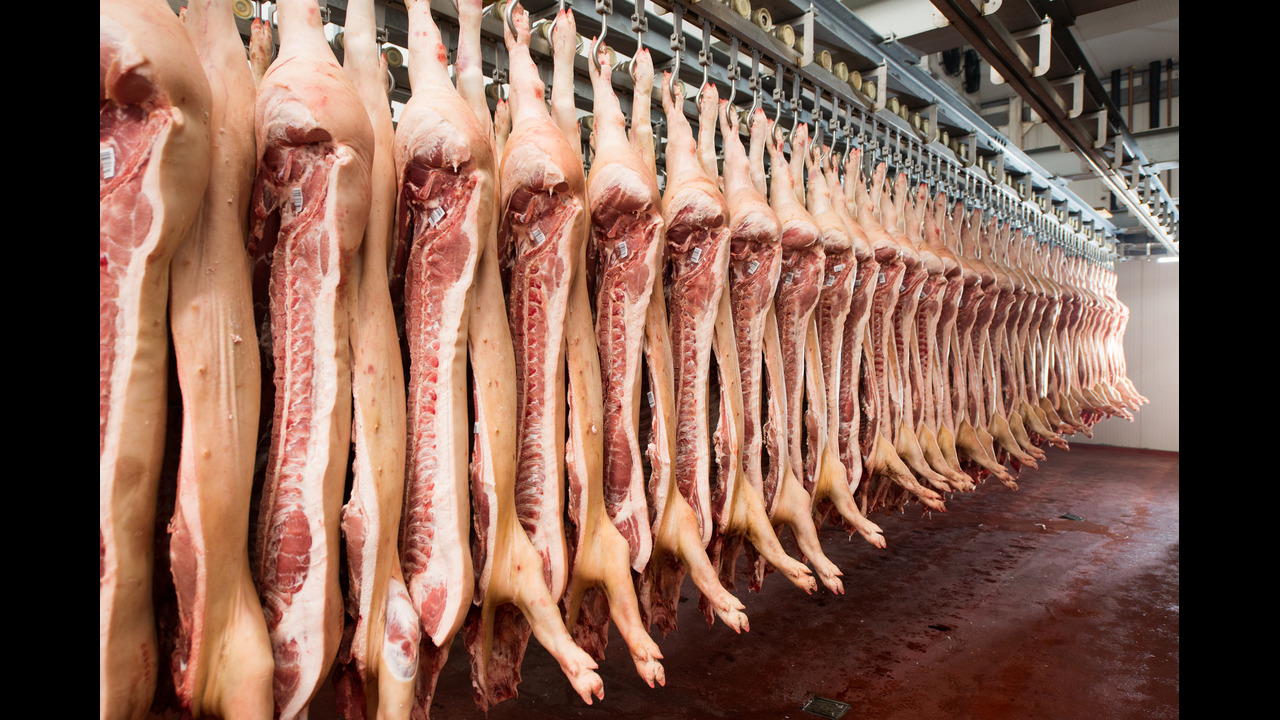
The number of U.S. federally inspected (FI) hog slaughter plants declined steadily from 1982 to 2002. The number held relatively steady for the next 20 years. Then a resurgence lifted the number of plants from 659 plants in 2022 to 763 in 2024 (Figure 1).
Why the rebound? The federal administration had a focus on expanding small- and medium-sized meat processing facilities. Grants were available to:
> Build new plants, modernize or expand existing facilities.
> Offset costs associated with becoming a federally inspected facility.
> Ensure compliance with packaging and labeling requirements.
> Support workforce recruitment, training and retention.
The increase occurred almost exclusively in plants slaughtering less than 1,000 head per year. Communities that added new packing plants got economic boosts.
On the other hand, plant additions did little to boost FI pork packing capacity. For example, the combined capacity of the 44 plants in the 1 – 999 head annual slaughter size category that the industry added in 2024 fall well short of the capacity lost when Tyson Foods closed its Perry, Iowa, plant in June 2024.
Many state programs also provided assistance. Federal and state assistance enabled many plants that were previously state inspected or custom-exempt plants to become federally inspected. Plants that transport meat interstate must employ federal inspectors to assure compliance with USDA standards.
Questions about this Article?:
Copyright © 2021-2025. All rights reserved
This website stores cookies on your computer. These cookies are used to collect information about how you interact with our website and allow us to remember you. We use this information in order to improve and customize your browsing experience and for analytics and metrics about our visitors on this website. To find out more about the cookies we use, see ourPrivacy Policy.