
Follow us on
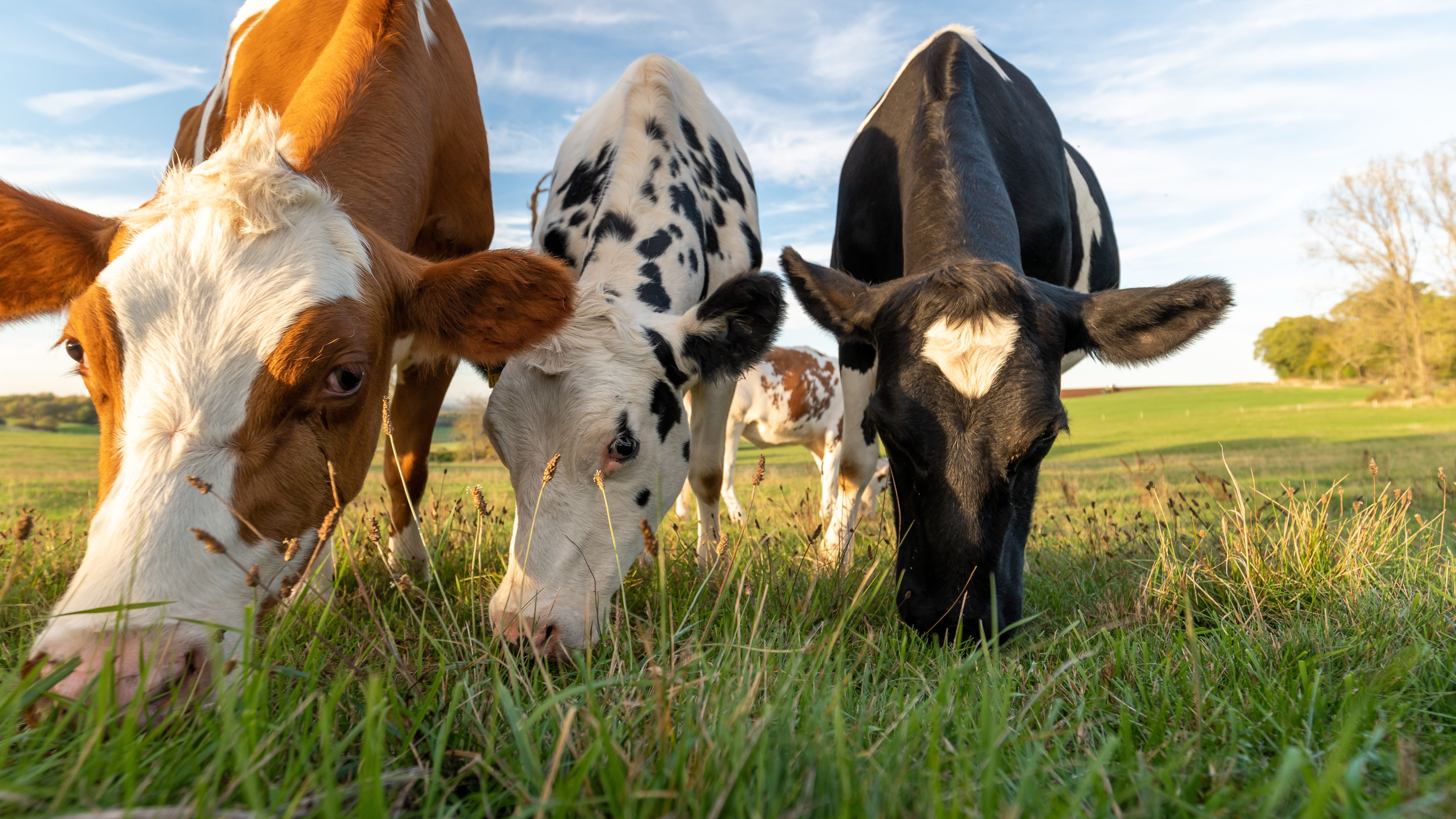
Feeding seaweed to cattle can decrease their amount of methane emissions, recent research has discovered. Delving deeper into this, researchers from Oregon State University will be studying the effect Pacific dulse seaweed, a species that is cultivated commercially along the Oregon Coast, has when incorporated into cattle diet. Specifically, investigators will examine the impact Pacific dulse seaweed has on cattle that graze sagebrush steppe landscape—a widespread ecosystem in the western United States.
“At a time of heightened public concern about greenhouse gas emissions, this project has the potential to help ranchers more sustainably and efficiently produce beef while also providing an economic benefit to seaweed producers,” Juliana Ranches, PhD, project director and an assistant professor at Oregon State’s Eastern Oregon Agricultural Research Center in Burns, Oregon, said in a university report.1
Ruminants, particularly cattle, digest their food by fermenting it in their digestive system. As food gets broken down and fermented, methane is produced and expelled through burps or flatulence.2 According to the US Environmental Protection Agency, a single cow generates approximately 154 to 264 lbs of methane gas annually.2 Moreover, 1.5 billion cattle—raised globally for meat production—release at least 231 billion lbs of methane into the atmosphere each year.2 More than 25% of greenhouse gas emissions in the agricultural sector come from the methane cattle produce during enteric fermentation.1
The project, which received a $1 million grant from the US Department of Agriculture (USDA) National Institute of Food and Agriculture, will span 5 years. Approximately 20 cows will be part of the project, grazing each year on a 100-acre pasture at the Northern Great Basin Experimental Range in Riley, Oregon, located between Bend and Burns. These cows will be equipped with GPS collars and contained inside a virtual fence.1
These cows’ diet will be supplemented with Pacific dulse from Oregon Seaweed, an aquaculture farm. Researchers will explore various amounts of dried dulse to find the supplementation level that best reduces enteric methane emissions produced during the cattle’s digestive processes.1
Questions about this Article?:
Copyright © 2021-2025. All rights reserved
This website stores cookies on your computer. These cookies are used to collect information about how you interact with our website and allow us to remember you. We use this information in order to improve and customize your browsing experience and for analytics and metrics about our visitors on this website. To find out more about the cookies we use, see ourPrivacy Policy.