
EN
Follow us on
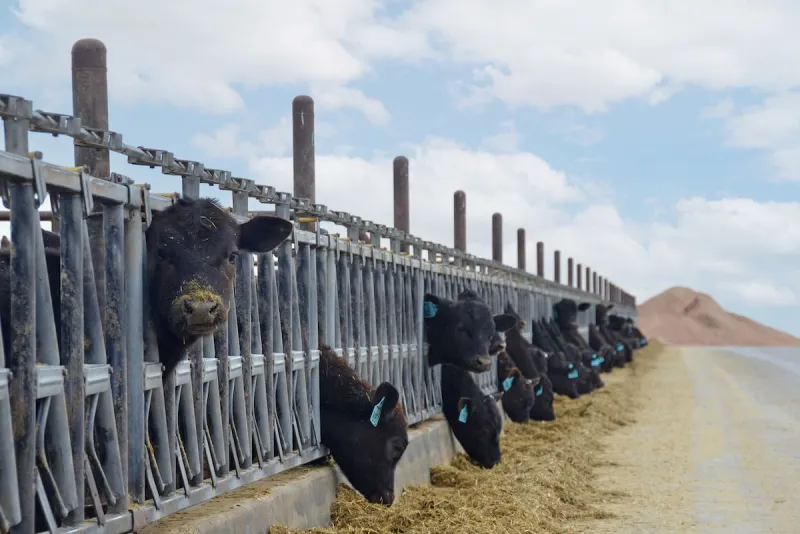
Beef-on-dairy cattle have become a much larger part of the U.S. beef supply chain over the past decade, growing from an estimated 13% of feedyard placements in 2016 to nearly 26% in 2025.
What started as a way to take advantage of a tight beef supply has grown into a substantial part of the industry. Higher calf prices, more investment in raising calves and stronger connections between dairies, feedyards and processors have helped fuel that growth.
Yet gaps in market reporting make it difficult to measure the full impact on beef production and determine whether dairy producers are receiving the best value from their breeding and marketing decisions.
Speaking during a University of Tennessee webinar, Charlie Martinez described how much the market has developed.
“It’s become more than just a substitution niche-style market to actually a more fully developed market that actually has some long-term sustainability built in,” says Martinez, who previously served as an assistant professor in the University of Tennessee’s Department of Agricultural and Resource Economics and director of the UT Center of Farm Management. He is now director of the King Ranch Institute for Ranch Management.
Martinez has been studying how the growing number of beef-on-dairy cattle is changing the U.S. beef industry. His research tracks their numbers, influence on fed-cattle markets and the need for better data to guide breeding and marketing decisions.
Questions about this Article?:
Copyright © 2021-2026. All rights reserved
This website stores cookies on your computer. These cookies are used to collect information about how you interact with our website and allow us to remember you. We use this information in order to improve and customize your browsing experience and for analytics and metrics about our visitors on this website. To find out more about the cookies we use, see ourPrivacy Policy.