
EN
Follow us on
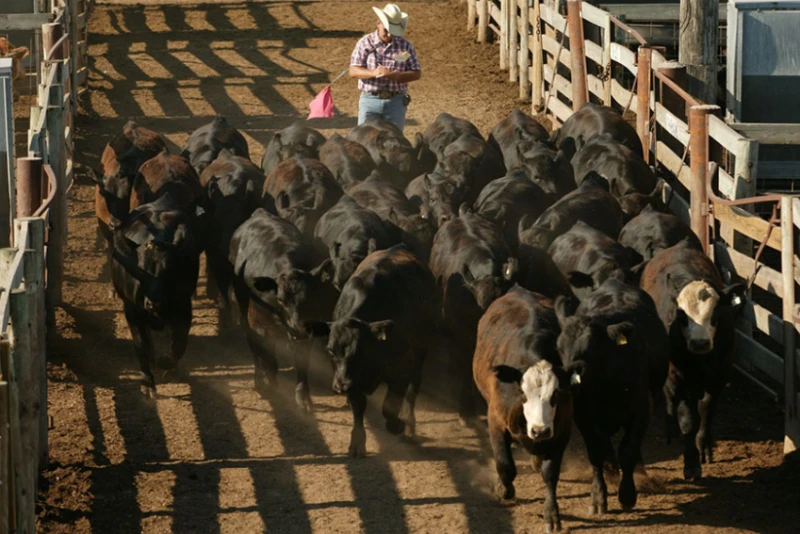
We spend years learning how to move cattle properly.
We study flight zones. We talk about pressure and release. We redesign facilities so animals can flow instead of fight. We debate crowd tubs like they’re moral issues.
Then we walk into the clinic and bark at a technician before coffee.
Ashley Nicholls, founder of Reach Agriculture Strategies, has a way of making a room laugh before he makes it uncomfortable. When speaking on low-stress handling, he starts in familiar territory: prey behavior, blind spots, comfort zones. But he doesn’t stay there.
“We understand [cattle] are prey animals,” Nicholls says. “They have blind spots. They have a flight zone. They hide pain. And their priority is survival.”
Then he pivots.
“Employees. Team members. Colleagues. They have blind spots. They have a flight zone. They hide pain. And at the end of the day, their priority is survival — it’s just workplace survival,” he says.
The room got a little bit quieter after that.
Flight Zones Aren’t Just Physical
In livestock handling, we read the pen before we apply pressure. We look for heads up, animals bunching, tension in the group. We understand what looks calm may only be a snapshot.
Questions about this Article?:
Copyright © 2021-2026. All rights reserved
This website stores cookies on your computer. These cookies are used to collect information about how you interact with our website and allow us to remember you. We use this information in order to improve and customize your browsing experience and for analytics and metrics about our visitors on this website. To find out more about the cookies we use, see ourPrivacy Policy.