
EN
Follow us on
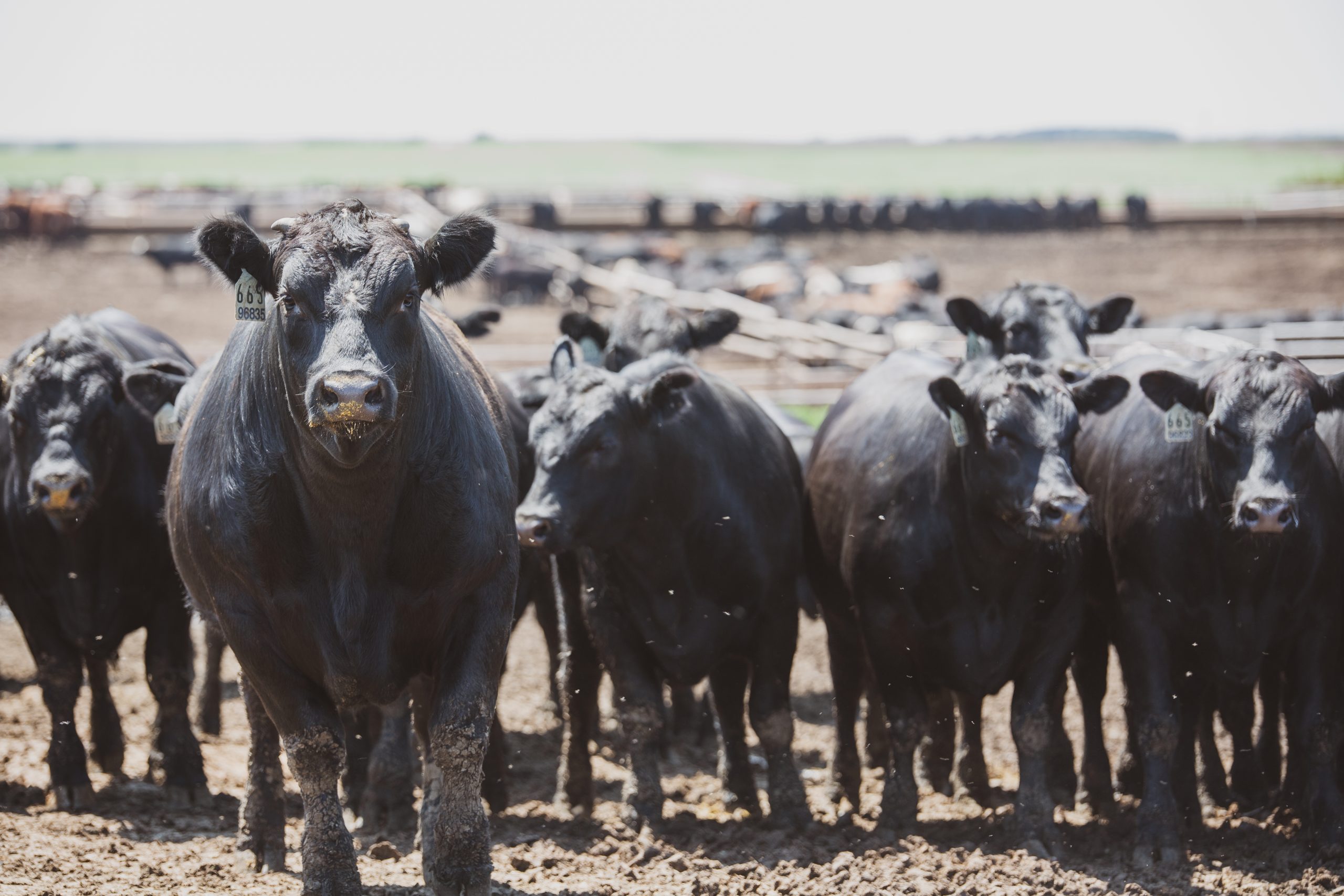
U.S. beef producers are some of the most productive members of the beef industry in the world. The cowherd is the smallest it’s been in decades, but still the pounds of retail product on the scale are getting heavier.
Cowherd numbers have changed through the years, but those who care for those herds have changed, too. Some have beefed up their herds in certain ways, while others might have found better markets for their cattle. It all depends on what is working.
Terrell Platt, a CattleFax analyst, told Cattle U attendees in June at the Manhattan, Kansas, event, that he believes production numbers have improved because of several advancements.
“I think it’s a testament to our commitment to animal husbandry practices, investing in genetics, investment in different practices that allow us to be so efficient because we’ve been able to actually achieve record beef production with some of the fewest cow numbers dating back to the 1950s,” he said.
Platt said looking back through the years, cattle imports likely peaked in the 1970s, and there’s been a decline or revision ever since.
“And through that we’ve been able to still increase our beef production in that phase,” he said.
He doesn’t think the cattle numbers will ever get as high as they once were, but production levels will continue to provide the retail product consumers seek.
Dan Basse of AgResource Company told attendees at the recent Certified Angus Beef Feeding Quality Forum in Dodge City, Kansas, that beef/dairy cross calves could help keep production numbers up and fulfill the demand needs.
Questions about this Article?:
Copyright © 2021-2026. All rights reserved
This website stores cookies on your computer. These cookies are used to collect information about how you interact with our website and allow us to remember you. We use this information in order to improve and customize your browsing experience and for analytics and metrics about our visitors on this website. To find out more about the cookies we use, see ourPrivacy Policy.