
EN
Follow us on
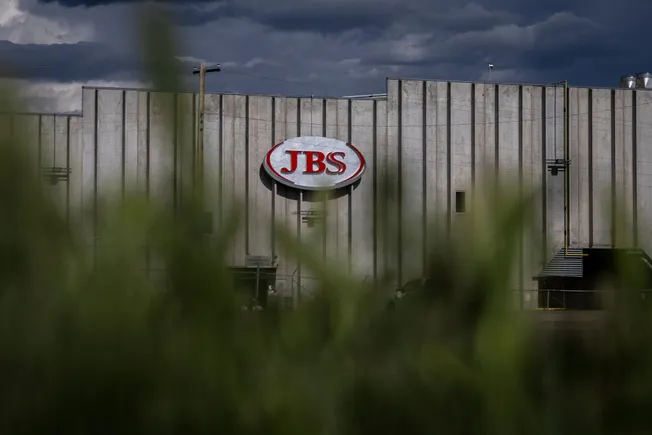
JBS workers walked out at a time when beef prices reached an all-time high and meat producers have faced heavy losses from an ongoing cattle shortage.
The Greeley plant is responsible for roughly 7% of total beef processing capacity in the U.S. The meatpacker has been running a partial shift at the Greeley plant during the strike and has temporarily shifted production to other facilities where it has excess processing capacity, JBS told Food Dive in a statement.
“We are pleased to welcome our team members back and are preparing to resume and ramp up operations at the Greeley plant next week,” a spokesperson said.
Workers are pushing for wages to keep pace with inflation and higher living costs. They also claim JBS takes a portion of income to pay for masks and other personal protective equipment needed for the job.
JBS will resume contract negotiations later this week, according to a union statement. The meatpacker, however, seems poised to stand by its presented contract, which it called its last, best and final offer.
“This comprehensive proposal includes meaningful wage increases, a pension, and other valuable benefits designed to support our team members and their families,” the spokesperson said. “We believe this is a strong and competitive package, and we hope employees will have the opportunity to review and vote on it soon.”
The union says since late 2021, workers have had to increase their healthcare contributions by as much as 37%. Meanwhile, wages increased just 7% over the same period.
Questions about this Article?:
Copyright © 2021-2026. All rights reserved
This website stores cookies on your computer. These cookies are used to collect information about how you interact with our website and allow us to remember you. We use this information in order to improve and customize your browsing experience and for analytics and metrics about our visitors on this website. To find out more about the cookies we use, see ourPrivacy Policy.