Follow us on
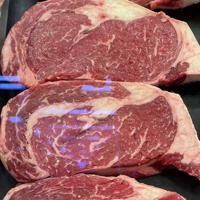
Reuters’ Tom Polansek reported that “JBS will permanently close a facility outside Los Angeles that prepares beef for sale at U.S. grocery stores, the world’s largest meat company said on Friday, as tight cattle supplies have raised costs for meatpackers. JBS will shut its Swift Beef Company facility in Riverside, California, on February 2, eliminating 374 jobs, according to a notice from the state’s Employment Development Department.”
“Beef prices set record highs this year after ranchers slashed the U.S. cattle herd to its lowest level in decades due to a persistent drought that dried up pasture lands. A halt on U.S. imports of Mexican cattle tightened supplies further, as Washington seeks to keep out a flesh-eating parasite,” Polansek reported.
“Low supplies have forced meatpackers to pay more for cattle to slaughter into hamburgers and steaks,” Polansek reported. “Workers at JBS’s facility process beef for sale in grocers’ meat cases but do not slaughter cattle. The facility is not shutting due to low cattle supplies, a company spokesperson said.”
“The meatpacker planned the closure as ‘part of a strategic initiative to optimize its value-added and case-ready business and simplify operations across its network,’ according to a statement,” Polansek reported. “‘The company remains focused on delivering high-quality products and dependable service while strengthening its operational footprint to meet evolving market demands,’ the statement said. JBS will shift production for its customers to other facilities, and workers will be eligible for jobs at other plants, the statement said.”
USDA Recently Cut 2026 Cattle Price Forecast
Bloomberg’s Ilena Peng reported that “the U.S. Department of Agriculture on Tuesday lowered its estimates for cattle prices through 2026, citing reduced slaughter plant capacity early next year and recent pricing data. Tyson, the largest U.S. meatpacker, said in late November that it would end operations at a Nebraska beef plant and reduce operations at a Texas facility to a single shift.”
“Steers are now forecast to cost $235 per hundredweight in 2026, down 4.5% from the USDA’s November estimate,” Peng reported. “Still, that would mark a 5% increase from the projected 2025 price, which the USDA trimmed only slightly. Live cattle futures traded in Chicago were little changed following the report.”
Questions about this Article?:
Copyright © 2021-2025. All rights reserved
This website stores cookies on your computer. These cookies are used to collect information about how you interact with our website and allow us to remember you. We use this information in order to improve and customize your browsing experience and for analytics and metrics about our visitors on this website. To find out more about the cookies we use, see ourPrivacy Policy.