Follow us on
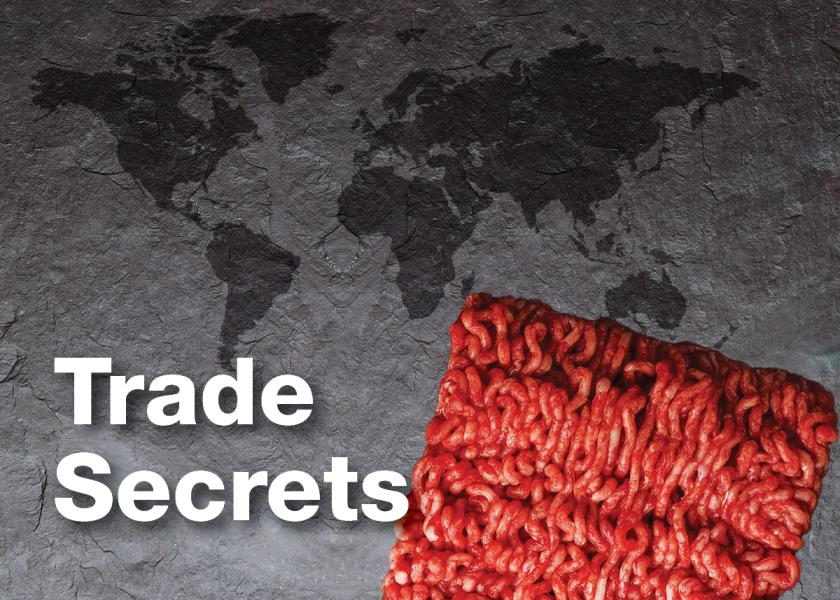
The U.S. beef industry is often considered the gold standard, and the past decade has seen exceptional growth in exports, with the past two years producing total revenues in excess of $8 billion per year. That adds $320 to the value of every U.S. fed steer and heifer.
While the U.S. is the fourth-largest global exporter of beef in volume, it’s also the global leader in beef imports. Those two facts seem incompatible to many. Why, critics ask, does the U.S. import beef when producers suffer with lower prices and an inability to ship market-ready cattle?
Indeed, the coronavirus disruption was both deep and far-reaching, and the historic slowdowns at packing plants left thousands of cattle without a final home and created a backlog. Abruptly ending the import of beef, however, is not a remedy for the disruption caused by COVID-19 and would only further reduce the value of U.S. cattle.
Gregg Doud, economist and the chief agricultural negotiator in the Office of the U.S. Trade Representative offered his perspective on imports during a May webinar sponsored by the Oklahoma Cattlemen’s Association.
“Advocates claim that if you decrease imports that decreases the supply of beef in the U.S., which raises the price of cattle. That’s a fair point,” Doud says, “except, name me another industry that gets ahead by shrinking their industry. If you shrink your industry, how are you going to compete with (other proteins)? Shrink your industry, and you will need fewer packing plants, not more.”
Questions about this Article?:
Copyright © 2021-2025. All rights reserved
This website stores cookies on your computer. These cookies are used to collect information about how you interact with our website and allow us to remember you. We use this information in order to improve and customize your browsing experience and for analytics and metrics about our visitors on this website. To find out more about the cookies we use, see ourPrivacy Policy.