
Follow us on
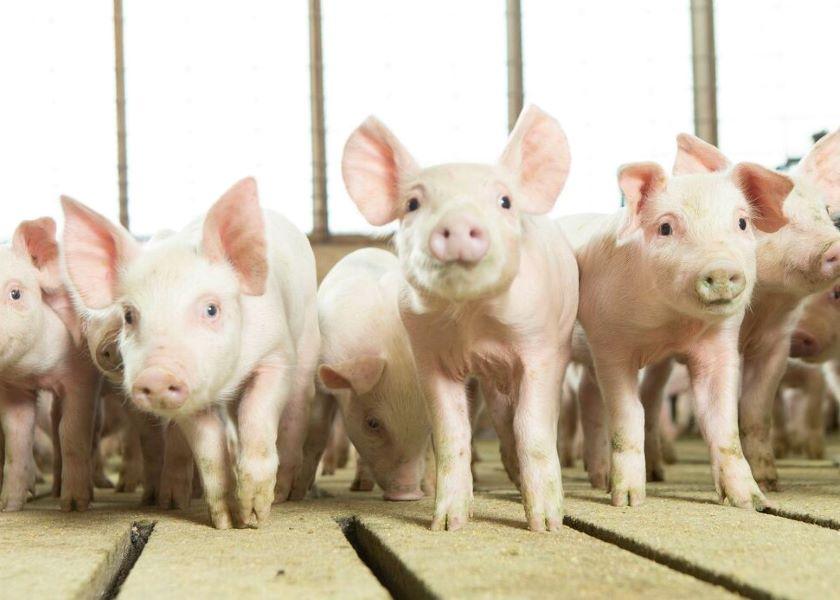
The global pork industry is witnessing a pivotal shift as sow herd numbers begin to plateau after a period of decline. This stabilization is a result of better-than-expected consumption trends coupled with reduced production costs across most regions, Rabobank says in its recent quarterly report.
"These factors are contributing to a more optimistic outlook for hog prices and are encouraging producers to consider rebuilding their herds. However, producers in regions with ongoing health challenges or higher regulatory costs may experience a slower recovery pace," the report says.
1. Supply-demand equilibrium slows herd contraction.
After several months of decline, sow herd numbers are beginning to stabilize in key regions. Rabobank says changes are tied to the impact of disappointing returns, structural shifts in capacity, disease, added regulatory costs, and improved productivity.
“The industry’s improved supply-demand balance has led to a slowdown in herd contraction,” says Christine McCracken, senior analyst – animal protein at Rabobank. “Although meaningful growth in the breeding herd is not anticipated until late 2024 or early 2025, productivity enhancements are contributing to increased production.”
Questions about this Article?:
Copyright © 2021-2025. All rights reserved
This website stores cookies on your computer. These cookies are used to collect information about how you interact with our website and allow us to remember you. We use this information in order to improve and customize your browsing experience and for analytics and metrics about our visitors on this website. To find out more about the cookies we use, see ourPrivacy Policy.