
EN
Follow us on
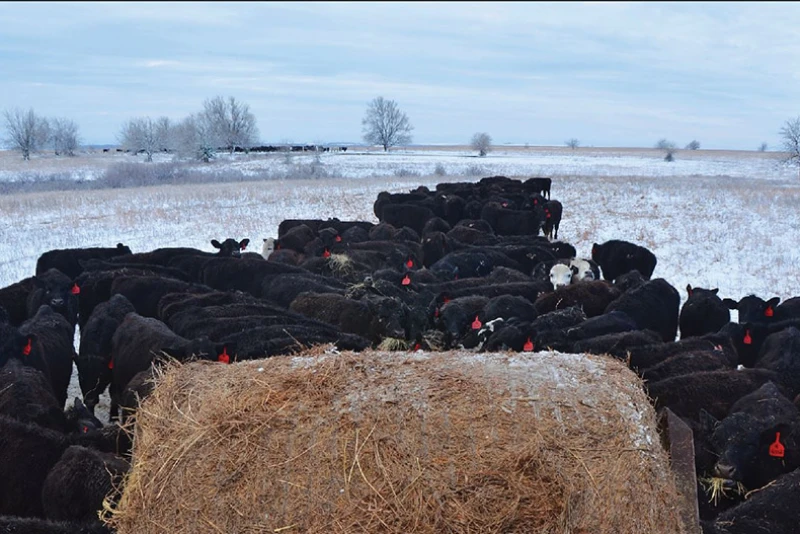
Winter cow nutrition usually revolves around two big-ticket items: crude protein and total digestible nutrients (TDN). Yet across the High Plains and Western Corn Belt, an invisible deficiency quietly undermines calf crops before cows ever drop their calves.
“Although I usually emphasize energy and protein intake when planning winter cow nutrition, ensuring adequate vitamin A intake is also important. Vitamin A is the vitamin most likely to be deficient in cattle diets and is the only vitamin with a well-defined requirement,” emphasizes Dr. Bob Larson, DVM, PhD reproductive physiologist and epidemiologist with the Kansas State University Beef Cattle Institute.
When winter diets run short, cow herds suffer silent losses: weak calves that fail to nurse, chronic scours, respiratory outbreaks, poor rebreeding performance and unexplained stillbirths. Recent research underscores preventing these setbacks requires producers to rethink standard feeding recommendations — especially during late gestation.
The Biology: Defending the Calf’s First Line of Defense
Unlike water-soluble vitamins that rumen microbes synthesize internally, cattle require dietary precursors to meet their vitamin A needs. Green forage supplies beta-carotene, which cattle convert into retinol — active vitamin A — in the intestinal wall.
Mary Drewnoski, University of Nebraska–Lincoln (UNL) beef systems specialist and nutritionist, explains vitamin A operates far beyond simple vision maintenance.
“The thing that you need to understand about vitamin A is that it actually impacts how cells develop and function,” she says. “In a particular retinoic acid, which is one of the active forms regulates gene transcription. What that means, though, is it’s especially important for tissues that are undergoing rapid growth and development. So, if you think about things like epithelium, epithelium like your skin, your digestive tract, your respiratory tract, and then also you can think about your uterine environment.”
Questions about this Article?:
Copyright © 2021-2026. All rights reserved
This website stores cookies on your computer. These cookies are used to collect information about how you interact with our website and allow us to remember you. We use this information in order to improve and customize your browsing experience and for analytics and metrics about our visitors on this website. To find out more about the cookies we use, see ourPrivacy Policy.