
Follow us on
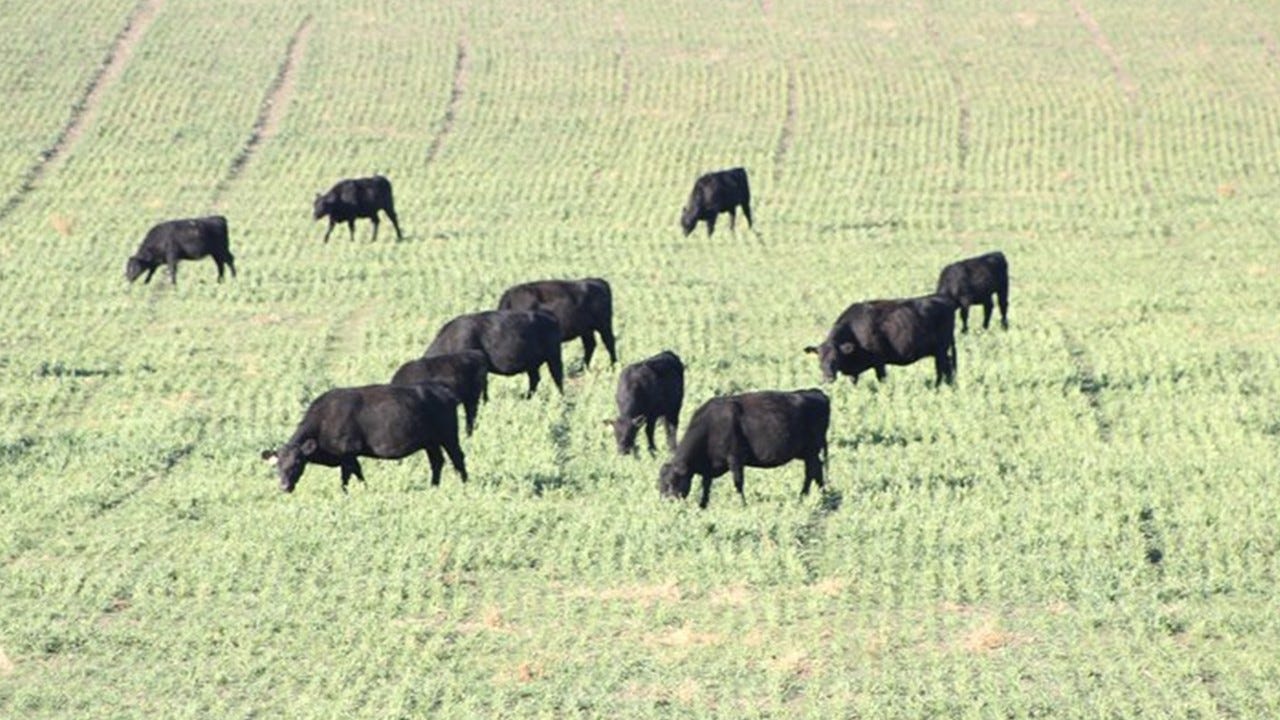
From weeknight ground beef to special-occasion steaks, consumers continue to see higher prices at the meat case. At its core, the beef market runs on supply and demand like everything else — but when you factor in production cycles, global trade uncertainty and a persistent U.S. taste for beef, that simple model gets complicated fast.
Supply and demand are ideally balanced when the available quantity aligns with consumer demand. Prices decrease when supply is abundant and demand is lower.
For consumers feeling the pinch, the reasons behind high beef prices are complex and shaped by rising costs, improved quality, changing eating habits and market uncertainty.
"Beef prices are higher because demand is strong and supply is tight," said Glynn Tonsor, professor of agricultural economics at Kansas State University. "You have to understand both sides of that equation."
Cattle supply: Where's the beef?
The U.S. cattle herd is currently at historically low levels. Fewer cows typically means less beef, but improvements in breeding, animal health and feed quality mean that each animal now yields more and better-quality beef than in the past.
Even so, Tonsor said the increased efficiency hasn't been enough to fully offset the decline in herd size.
"Over the next couple of years, we expect less beef to be produced in the U.S. than in the past," Tonsor said. "That tightening supply supports higher prices."
Questions about this Article?:
Copyright © 2021-2025. All rights reserved
This website stores cookies on your computer. These cookies are used to collect information about how you interact with our website and allow us to remember you. We use this information in order to improve and customize your browsing experience and for analytics and metrics about our visitors on this website. To find out more about the cookies we use, see ourPrivacy Policy.