
Follow us on
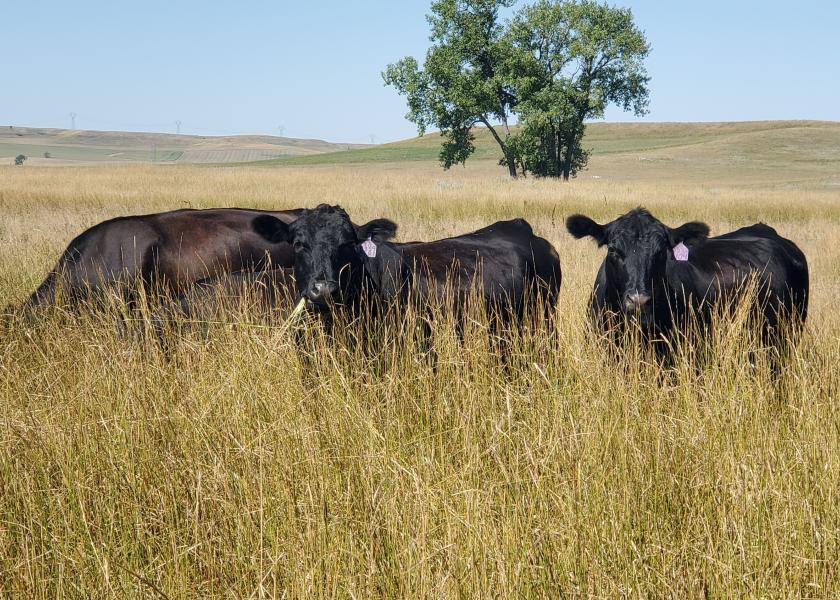
Face flies, horn flies and stable flies are the most common and most treated pests on North Dakota livestock operations. Left uncontrolled, these pests can cause significant loss in livestock production.
Fortunately, North Dakota State University Extension specialists say that the proper pest management strategy can provide effective control.
While integrated pest management is commonplace for controlling crop pests, similar concepts can apply to controlling livestock pests, according to Extension veterinarian and livestock stewardship specialist, Dr. Gerald Stokka.
“Integrated pest management involves using the right type of control at the right time for the right duration to control pests effectively,” Dr. Stokka says. “For example, in beef cow-calf operations, applying pest control for lice and flies prior to pasture turnout will not be effective and will waste resources related to pest control.”
Timing and type of pest control depends on the species of flies. Horn and face flies typically are not present at pasture turnout and do not reach economic thresholds for applying control until midsummer.
Horn flies are gray and look like small houseflies. Horn flies bite and spend most of their time clustered around the head, shoulders and back of cattle. These blood-sucking flies feed up to 20 to 30 times per day. This constant biting causes cattle pain and stress, and can reduce the cattle’s weight gains by as much as 20 pounds, according to Dr. Stokka.
Face flies look like large, dark house flies. They are nonbiting flies that feed on animal secretions, plant nectar and manure liquids. Face flies may transmit pathogens responsible for infecting the eye and causing pinkeye in cattle. The life cycle of a face fly is approximately 21 days. Populations tend to peak in late summer.
Questions about this Article?:
Copyright © 2021-2025. All rights reserved
This website stores cookies on your computer. These cookies are used to collect information about how you interact with our website and allow us to remember you. We use this information in order to improve and customize your browsing experience and for analytics and metrics about our visitors on this website. To find out more about the cookies we use, see ourPrivacy Policy.