
Follow us on
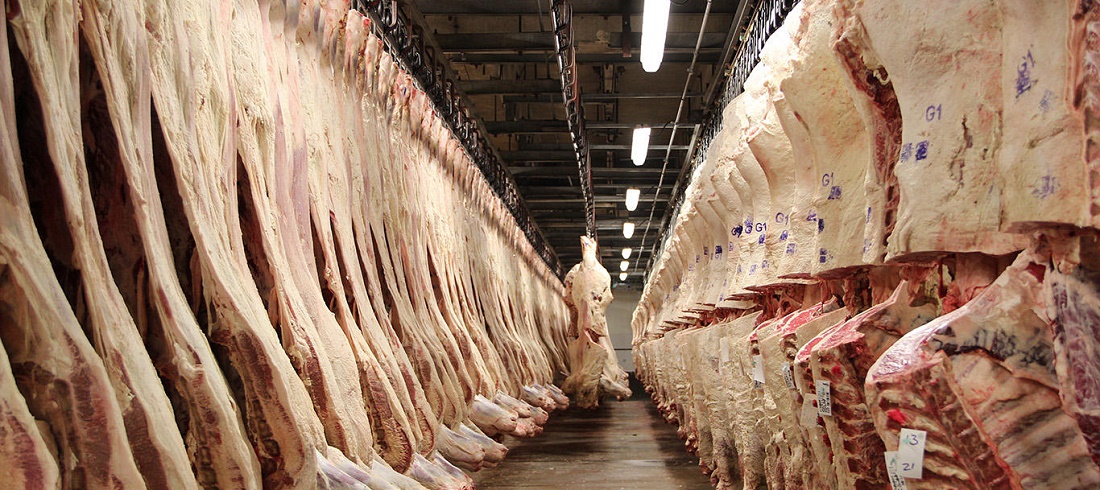
The Chinese government on Friday (March 20) released official beef import data from the Ministry of Commerce and the General Administration of Customs (GACC) for January and February 2026.
According to the figures, China imported 372,080 tonnes of beef from Brazil this year, with 211,290 tonnes in January and 160,780 tonnes in February. That volume represents 33.64% of the 1.1 million-tonne quota imposed on Brazilian meatpackers in 2026. The data was compiled and released by the Brazilian Beef Exporters Association (Abiec).
According to Datamar, China currently accounts for 56% of Brazil’s beef exports. This level of market concentration is prompting the national industry to seek alternatives to mitigate the challenges posed by new Chinese export quotas.
The following chart provides a month-over-month comparison of Brazilian beef shipments (in containers) to China from 2022 through 2025, based on data from Datamar’s DataLiner platform.
The high rate of quota use so early in the year has raised concern among Brazilian exporters, who want tighter government monitoring of shipments to China.
The figures differ from Brazil’s official tally recorded by the Foreign Trade Secretariat (Secex). The Brazilian government considers that 229,850 tonnes of beef were shipped to China in the first two months of the year, with 123,150 tonnes in January and 106,700 tonnes in February.
Chinese authorities, however, monitor what actually entered the country during the period. Many cargoes left Brazilian ports in 2025 and only arrived in China in 2026, after the quota was announced.
This was one of the main concerns raised by exporters with the Brazilian government as early as January. Meatpackers asked the ministries of Agriculture, Development, Industry, Trade and Services, and Foreign Affairs to negotiate with China over how the quota would be applied. The request was that shipments made in 2025 should be excluded, but that did not happen.
In a statement, Abiec said the figures show a fast pace of quota use, with 33.64% already filled in the first two months, which “raises a warning sign for export performance over the rest of the year.”
The association said it is assessing the situation cautiously, but expressed concern about the “speed of use, which could generate relevant impacts in the medium term, especially in the second half.”
Questions about this Article?:
Copyright © 2021-2025. All rights reserved
This website stores cookies on your computer. These cookies are used to collect information about how you interact with our website and allow us to remember you. We use this information in order to improve and customize your browsing experience and for analytics and metrics about our visitors on this website. To find out more about the cookies we use, see ourPrivacy Policy.