
EN
Follow us on
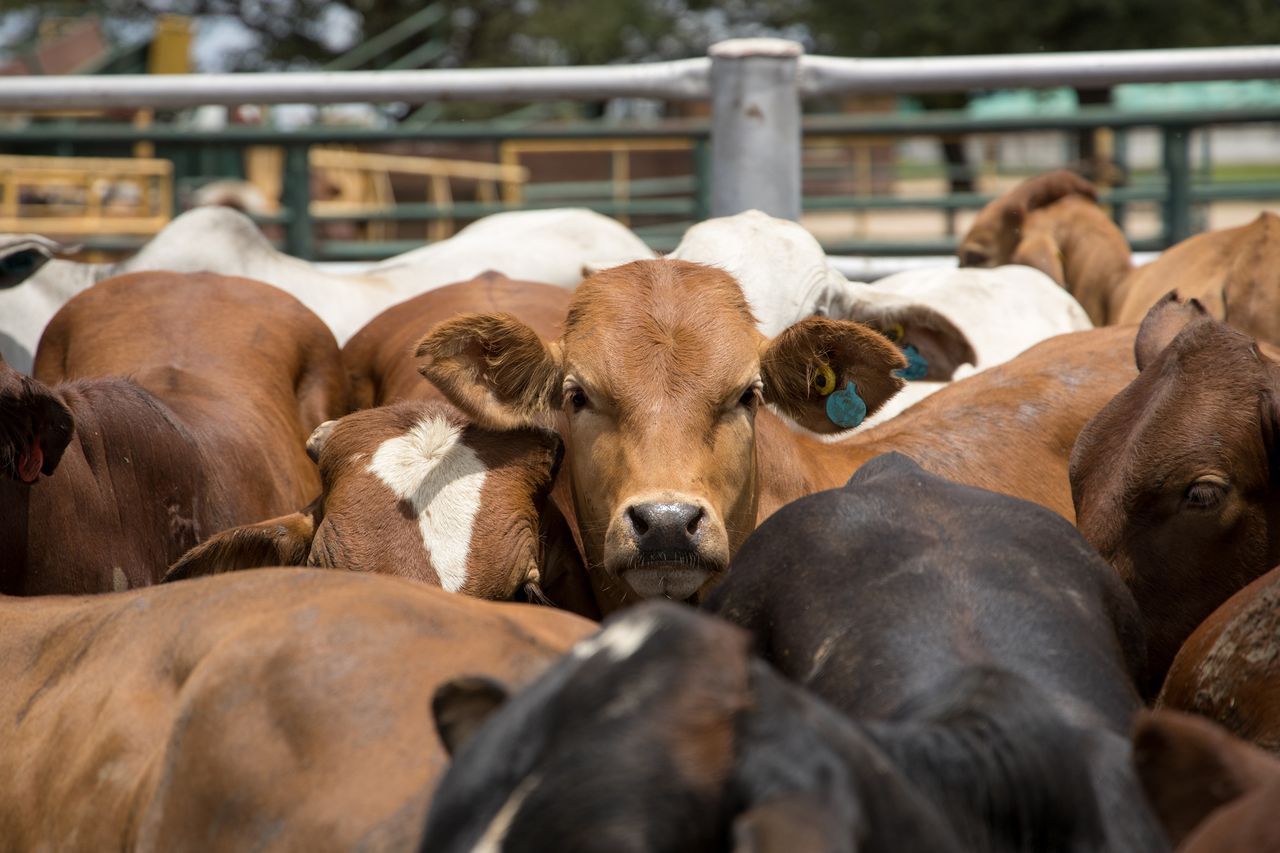
Bearish sentiment prevailed in cattle markets last week as President Trump’s beef import plan and the official reopening of the Mexican border to feeder cattle imports weighed on the market. Live cattle front month August settled the week at $219.250, down $3.800 week over week, while the October through February contracts were down $3.800 to $6.200 on the week. The August feeder cattle contract went off the board on Thursday at $333.750. Now front month September settled the week at $320.900, down $8.125 week over week while the October through March contracts were down $4.900 to $7.125 on the week.
Additional details have come to light about Trump’s plan, which will allow up to 100,000 metric tons of lean beef trimmings per month into the U.S. without facing tariffs assessed under tariff rate quotas (TRQs). TRQs require countries to pay an additional 26.4% tariff on top of the base of 4.4 cents per kilogram after reaching a specified quota. Based on current imports to the U.S., Brazil and Paraguay are the two countries likely to benefit from this proclamation, as they both fill the “Other Countries” quota, which was met early this year. Countries such as Australia, New Zealand, and Argentina have their own specific quotas, none of which have been met yet this year. As such, they are not yet subject to the out of quota tariff and will not reap any benefits from this proclamation. More Brazilian beef will likely flow into the U.S., particularly as they meet their TRQ for exports to China, but will likely first displace other beef from the U.S. market. It remains to be seen if there is enough demand and/or cold storage available to significantly increase the amount of beef imported above what is already a record pace so far this year.
Questions about this Article?:
Copyright © 2021-2026. All rights reserved
This website stores cookies on your computer. These cookies are used to collect information about how you interact with our website and allow us to remember you. We use this information in order to improve and customize your browsing experience and for analytics and metrics about our visitors on this website. To find out more about the cookies we use, see ourPrivacy Policy.