
EN
Follow us on
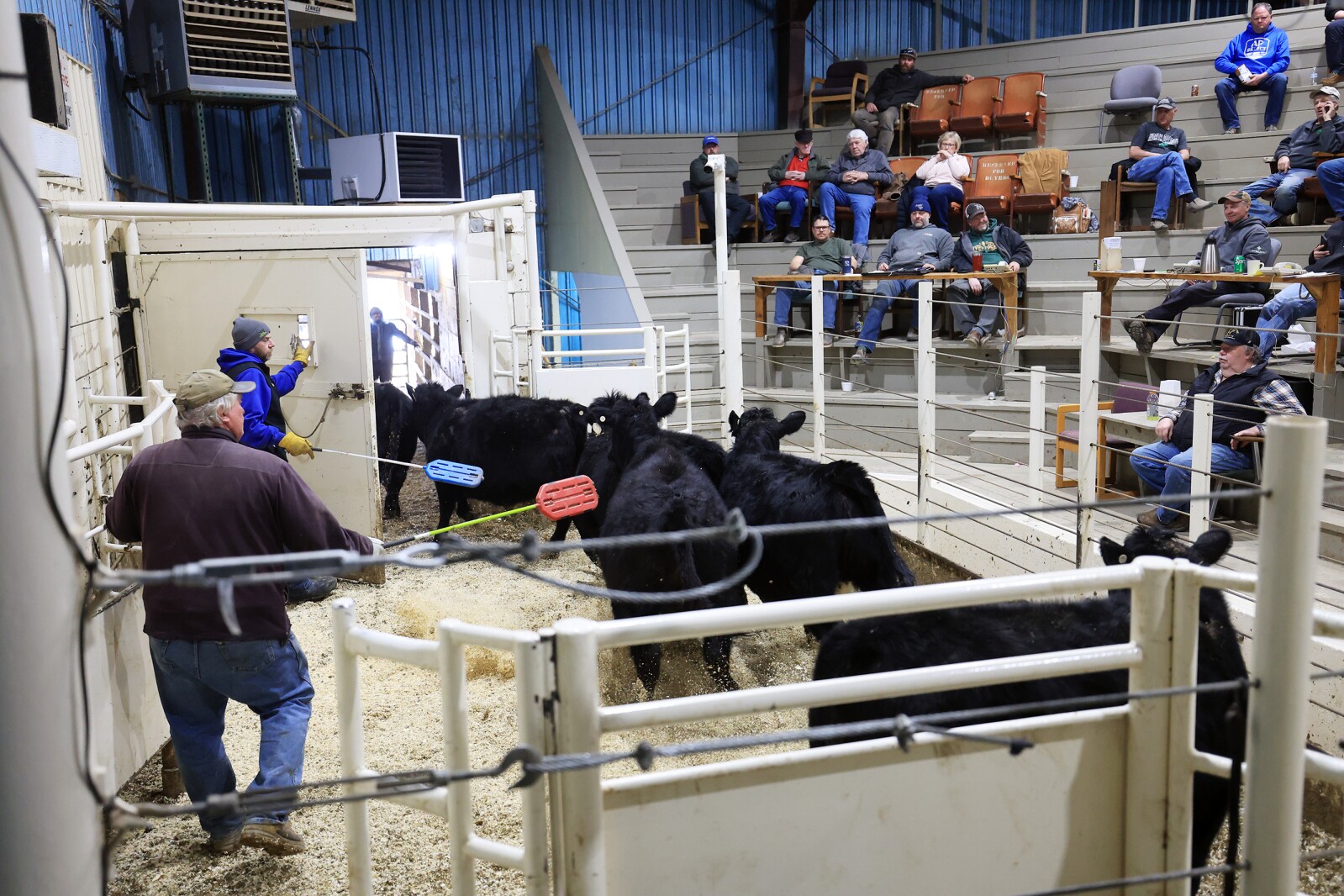
It’s been a volatile year for the agriculture industry in North Dakota, as well as throughout the rest of the country, but those challenges haven’t hit all ag sectors equally.
Cattle producers are seeing an increasingly positive market compared to last year.
Chris Plummer, owner of Lake Region Livestock Auction Barn in Devils Lake, said the cattle market has been great this year, bucking a trend of low prices that most grain and crop growers are seeing throughout the state.
“Everyone’s pretty well aware that this cattle market is good; if you’re buying meat in the store, you’re darn sure well aware of it,” he said.
Plummer said this year, a steer weighing between 600 and 700 pounds can be sold for almost $2,900, about $500 to $600 more than what prices were last year. Those prices are especially good news for ranchers around the greater Grand Forks area, an area of the state not known for its cattle production.
Part of the sudden demand for beef comes from more producers leaving the industry, according to Plummer, leaving fewer ranchers to raise the cattle needed to meet that demand.
“The average age of the rancher is getting older,” he said. “You’re talking people who are (in their) low-60s for an average age and you don’t have enough young people around.”
He added that two years of drought conditions throughout the country has also led to smaller herd sizes. The fires in parts of western North Dakota in 2024 killed hundreds of livestock animals, mostly cattle, with more having to be sold in the months following those fires because of respiratory problems and illness due to smoke inhalation.
Those factors mean fewer feeder cattle moving through auctions, leading to more competitive bidding.
“There’s not as many of them around as there used to be, and the buyers know that, so they’re actively bidding to buy some cattle,” he said. “If you’re in the business of feeding cattle, if your pens are empty, you’re not in business anymore.”
Questions about this Article?:
Copyright © 2021-2026. All rights reserved
This website stores cookies on your computer. These cookies are used to collect information about how you interact with our website and allow us to remember you. We use this information in order to improve and customize your browsing experience and for analytics and metrics about our visitors on this website. To find out more about the cookies we use, see ourPrivacy Policy.