
EN
Follow us on
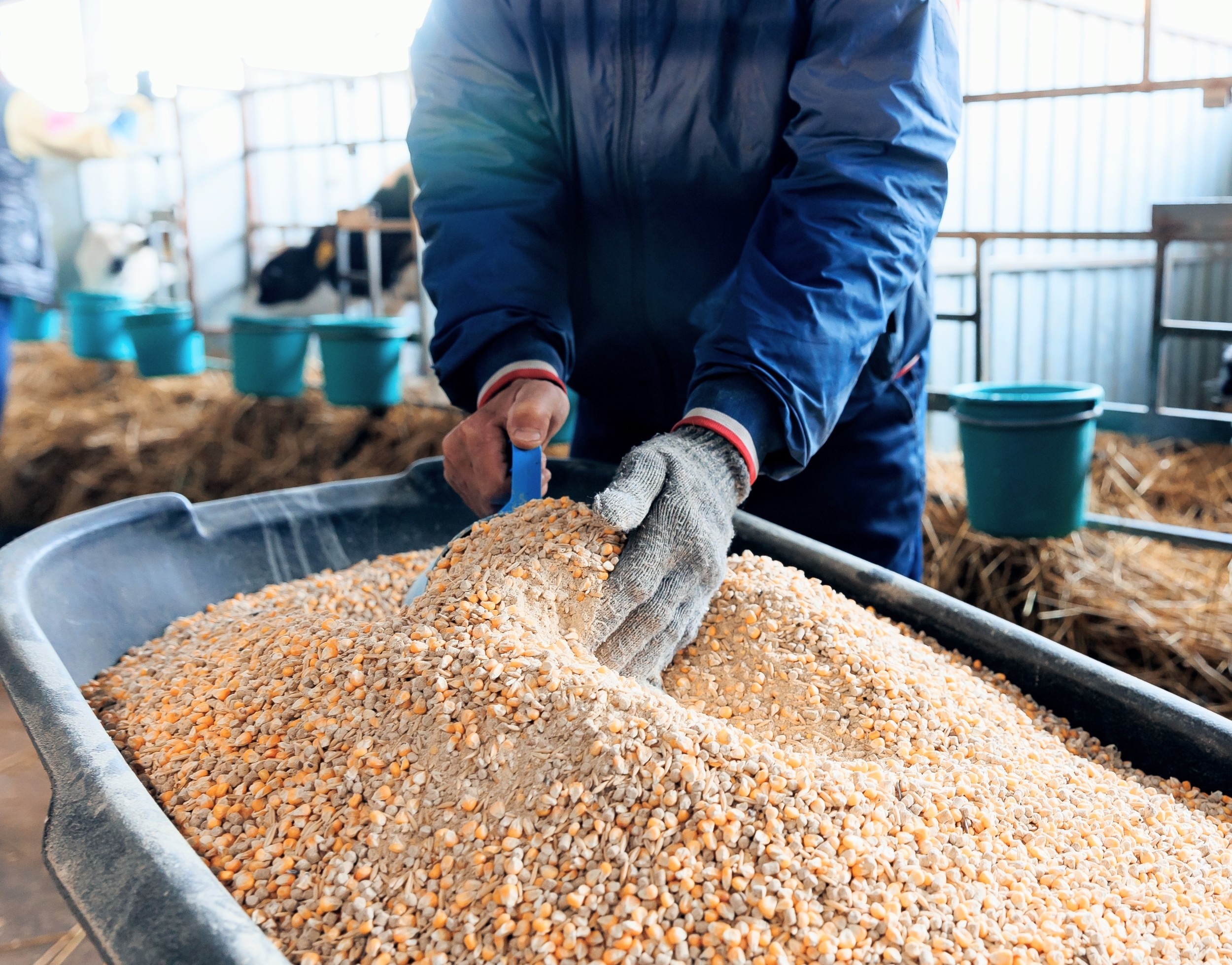
Microplastics now reach almost every part of modern agriculture. These particles mix with soil, water, and plant material. They then enter livestock feed in ways that most people never notice. Cattle swallow them while eating hay, barley, and silage.
Once inside the rumen, the particles meet one of the most complex microbial systems on Earth. A new international study shows how strongly this system reacts when plastics enter the rumen environment.
How microplastics enter cattle feed
Scientists examined the effects of common agricultural plastics inside rumen fluid. They worked with PLA, PHB, HDPE, PVC, and PP.
These plastics often reach fields from silage wraps, sludge, packaging, or tire wear. Their particles fall into a size range that can move through soil and into plants or feed.
“Our work is a first step toward understanding the biological consequences of microplastic exposure in farm animals,” said co-author Daniel Brugger of the University of Zurich. He highlighted the need for in vivo studies as global plastic use keeps rising.
Earlier research has already shown that microplastics enter soils at large scales and pass into feed materials. Cattle can ingest soil containing plastic residues, and feed handling can introduce fragments.
This makes ruminants useful models for tracing plastic movement in farm systems. Their rumen microbes break down nearly two-thirds of the feed they consume. This makes the rumen the first major site where plastics meet living microbes.
Microplastics meet cattle microbes
The team used a controlled fermentation system to incubate rumen fluid with hay or barley and microplastics in different doses and sizes. They measured gas output, pH, dry matter loss, volatile fatty acids, and changes in microbial proteins.
Microplastics decreased total gas production in all cases. This drop occurred regardless of plastic type, size, or amount. Hay and barley responded differently, but the trend remained clear. The pH stayed stable, indicating that the effect came from changes in metabolism rather than acidity shifts.
Dry matter breakdown increased. This suggests that rumen microbes not only digested feed but also acted on the plastic particles themselves. Some particles likely lost mass or fragmented into smaller pieces.
Scientists propose that mechanical friction from feed, together with microbial enzymes, may start breaking down plastic surfaces. Certain plastics, such as PLA and PHB, showed stronger links to these changes.
Questions about this Article?:
Copyright © 2021-2026. All rights reserved
This website stores cookies on your computer. These cookies are used to collect information about how you interact with our website and allow us to remember you. We use this information in order to improve and customize your browsing experience and for analytics and metrics about our visitors on this website. To find out more about the cookies we use, see ourPrivacy Policy.