
Follow us on
Farmers and ranchers work tirelessly to bring high-quality beef to tables worldwide. However, one critical component of ensuring this beef reaches global markets is trade.
While producers can travel to Washington, D.C., and lobby for better trade deals through various beef organizations, the ultimate decisions often lie beyond their authority.
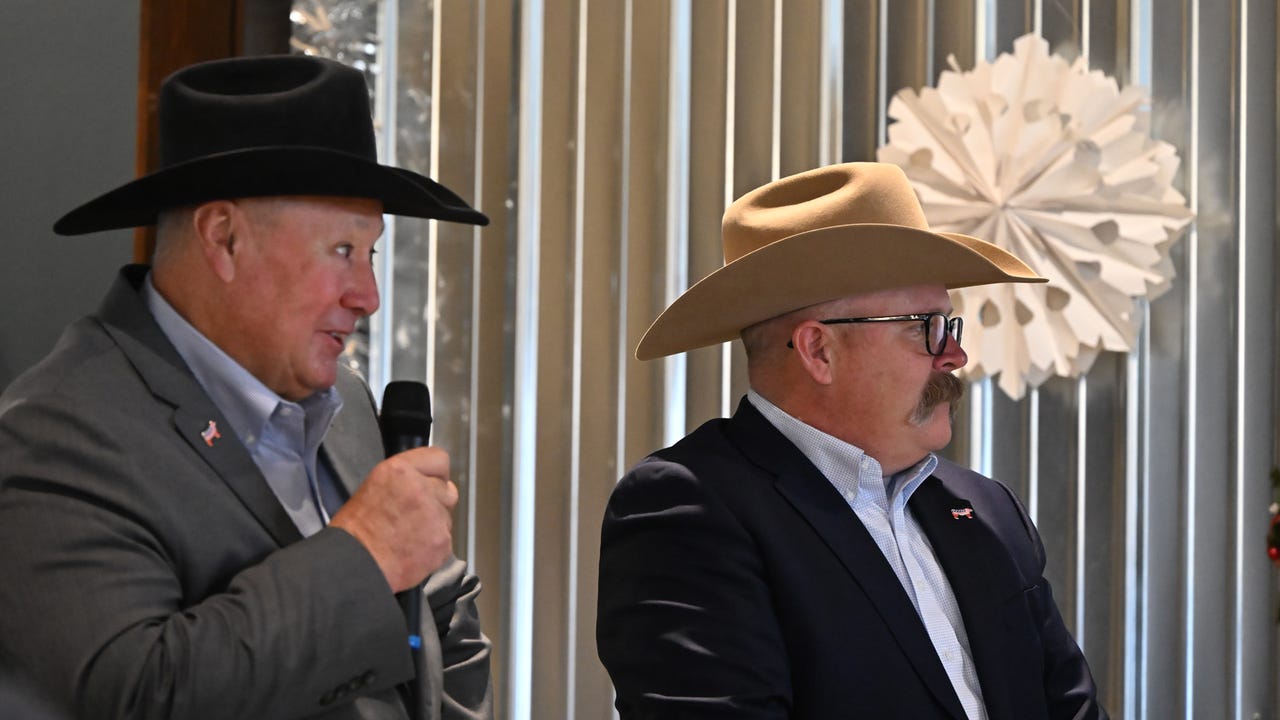
At the Trade Policy Academy — hosted recently in Mound City, Mo., by the U.S. Grains and Bioproducts Council and other state and regional corn agencies — attendees gained insights into the factors influencing beef trade.
Trade involves a variety of considerations, including supply, demand and major events such as outbreaks of New World screwworm or the closure or restructuring of beef processing plants. Additionally, food trends play a significant role. For instance, ground beef has seen a surge in demand, particularly after the COVID-19 pandemic.
With so many variables at play, there are some key topics producers should monitor.
Importing and exporting beef
The value of U.S. beef exports continues to rise. While not at record highs, exports are growing steadily. A significant contributor to this value is variety meats, such as beef tongue, tripe and liver. Although these cuts are not widely consumed in the U.S., they are highly sought in international markets.
Questions about this Article?:
Copyright © 2021-2025. All rights reserved
This website stores cookies on your computer. These cookies are used to collect information about how you interact with our website and allow us to remember you. We use this information in order to improve and customize your browsing experience and for analytics and metrics about our visitors on this website. To find out more about the cookies we use, see ourPrivacy Policy.