
EN
Follow us on
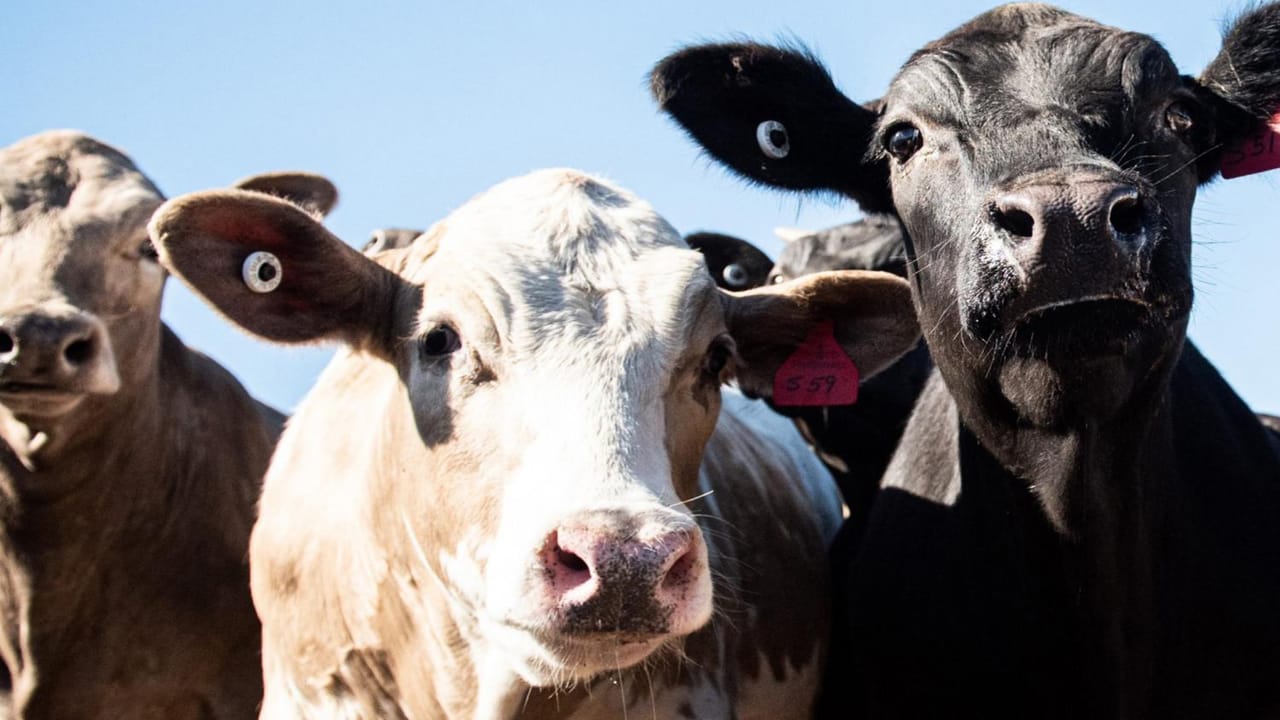
Over the past several decades, the relationship between the public and animal agriculture has changed dramatically. In the middle of the 20th century, a large share of the U.S. population lived on farms or had close connections to agricultural production. Today, fewer than 2 percent of Americans are directly employed in agriculture, and only a portion of those individuals work in livestock production. As the late philosopher Bernard Rollin noted, this demographic shift has profoundly altered how animals are viewed in society.
As the population has moved away from direct involvement in agriculture, animals have increasingly met new needs, including companionship, recreation and media representation. These experiences shape cultural expectations about how animals should be treated, often without direct familiarity with the realities of livestock production systems.
One result of this shift has been increased public attention to the care and management of animals raised for food. Questions about housing, handling and management practices now emerge in a social environment where relatively few people have firsthand experience with agricultural production, but many hold strong views about the ethical responsibilities associated with animal care.
At the same time, livestock production systems themselves have continued to evolve. Nowhere is this more apparent than in the rapidly expanding beef-on-dairy sector, which is reshaping how a growing portion of cattle enter the beef supply chain. Calves that once moved primarily into veal production are increasingly raised on calf ranch and nursery systems before entering stocker and feedyard operations destined for beef production.
This development highlights a broader reality for modern cattle production. Hand raising, historically associated with dairy and veal systems, is becoming increasingly connected to the beef supply chain. As those connections expand, the practices used in those early stages are no longer viewed in isolation but as part of a shared pathway that ultimately produces beef for the marketplace.
Questions about this Article?:
Copyright © 2021-2026. All rights reserved
This website stores cookies on your computer. These cookies are used to collect information about how you interact with our website and allow us to remember you. We use this information in order to improve and customize your browsing experience and for analytics and metrics about our visitors on this website. To find out more about the cookies we use, see ourPrivacy Policy.