
Follow us on
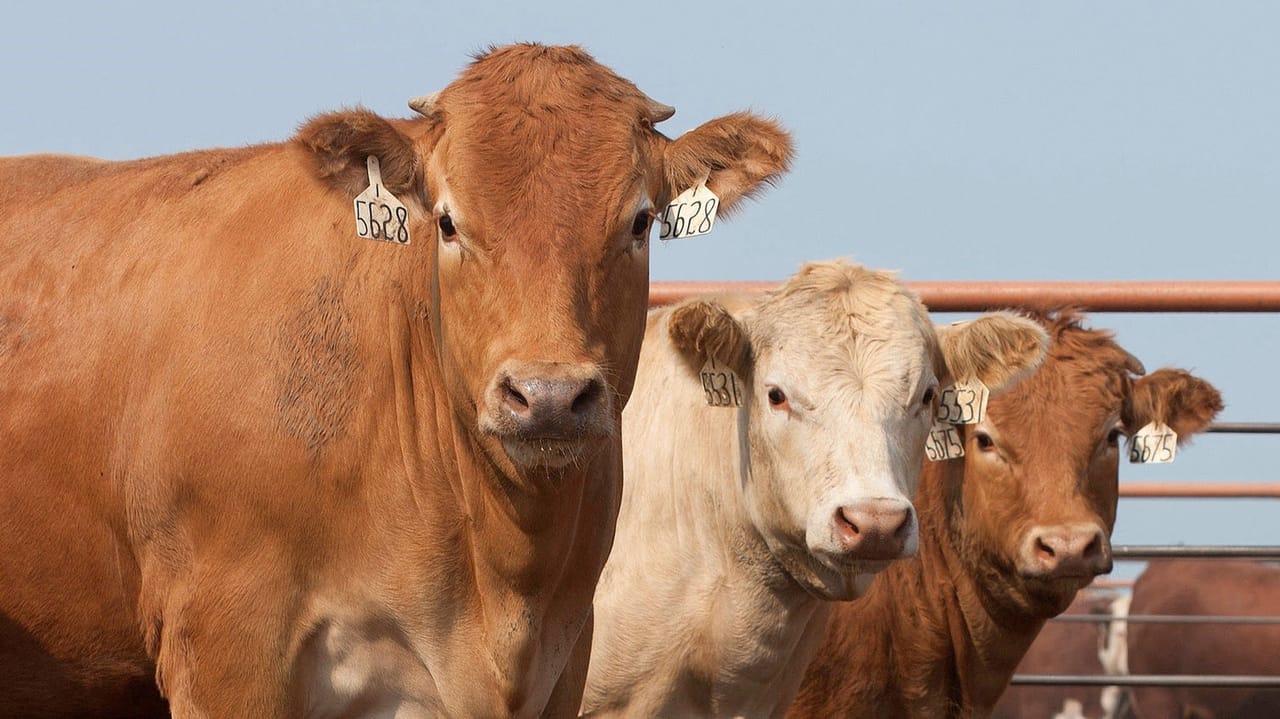
Researchers with the U.S. Department of Agriculture’s Agricultural Research Service have identified methods to reduce antibiotic use in livestock, potentially saving the U.S. beef industry between $50 million and $100 million per year and reducing the risk of antimicrobial resistance in cattle production settings.
Metaphylaxis is the process of treating a group of animals with an antibiotic that shows no signs of disease but have been exposed to an infectious disease. This intervention is often used under veterinary directions to protect cattle with a higher risk of disease due to exposure to illness. Metaphylaxis is used in cattle at entry to the feedlot and can help prevent widespread disease outbreaks.
ARS scientists in Lubbock, Texas, worked with university partners to evaluate the effects of administering a metaphylaxis dose randomly to either 100%, 66%, 33% or 0% of high-risk beef cattle groups as they entered the feedlot.
The results showed that treating the entire group or only two thirds of the cattle in a group at entry reduced illnesses by 61% in the first 35 days.
Questions about this Article?:
Copyright © 2021-2025. All rights reserved
This website stores cookies on your computer. These cookies are used to collect information about how you interact with our website and allow us to remember you. We use this information in order to improve and customize your browsing experience and for analytics and metrics about our visitors on this website. To find out more about the cookies we use, see ourPrivacy Policy.