
Follow us on
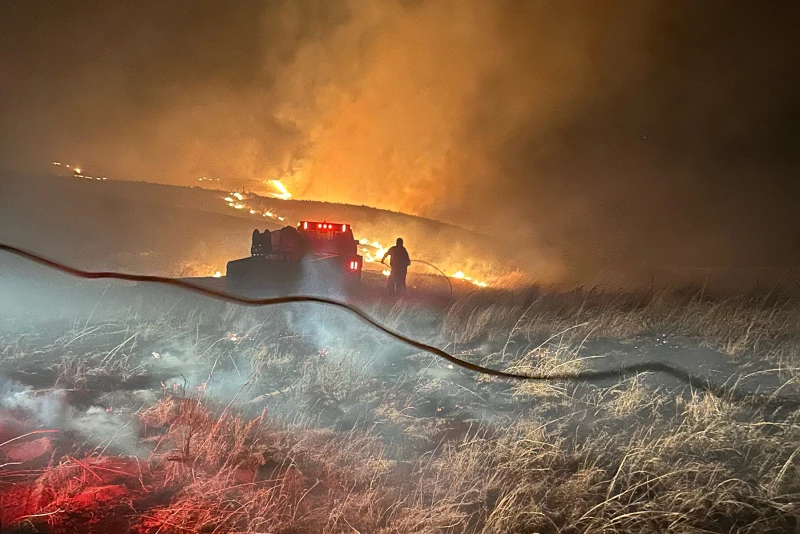
Recent wildfires have left many cattle producers across the country facing urgent management decisions.
Once humans are safe, producers should focus on three priorities:
1. Stabilizing livestock through health checks and access to clean water and feed
2. Documenting losses and engaging with insurers or assistance programs
3. Developing a grazing recovery plan that protects rangeland health going into the next grazing season.
Cattle Care
Cattle should not be allowed back into recently burned areas. Ashes, smoldering fence lines, hay piles and hot spots can cause significant injury to hooves and soft tissues.
If producers evacuated before all livestock were accounted for, make sure neighbors or first responders know where animals may be. In addition to brands, temporary identification such as paint or chalk marks, can help reconnect animals with owners later.
Plan to evaluate livestock multiple times over the coming days and weeks. Burn-related hoof damage, in particular, may take time to show up.
As you assess cattle, take time to examine the areas most vulnerable to heat and smoke damage:
- Hooves, udders, sheaths and testicles for burns or swelling
- Eyes and muzzle for soot, abrasions or ulceration
- Respiratory signs such as coughing or rapid breathing
On days when smoke drifts across the area, avoid working or exerting cattle unnecessarily. Respiratory irritation from smoke can worsen with handling.
Questions about this Article?:
Copyright © 2021-2025. All rights reserved
This website stores cookies on your computer. These cookies are used to collect information about how you interact with our website and allow us to remember you. We use this information in order to improve and customize your browsing experience and for analytics and metrics about our visitors on this website. To find out more about the cookies we use, see ourPrivacy Policy.