
EN
Follow us on
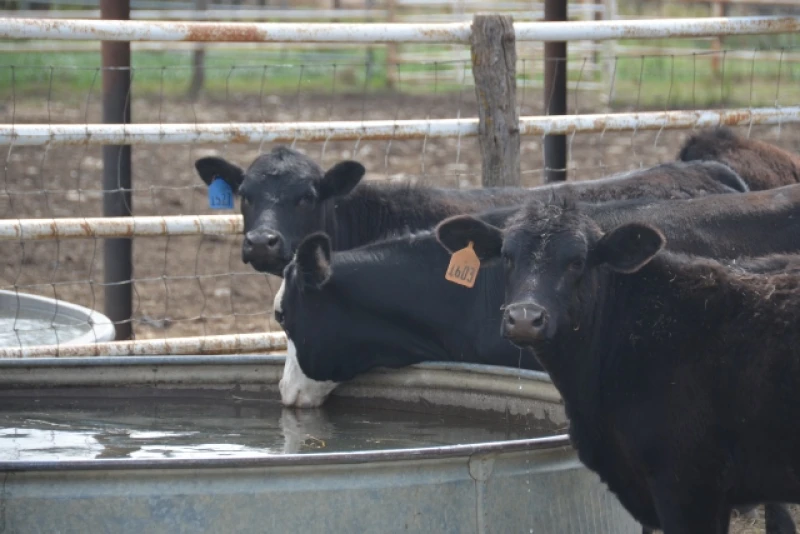
A devastating case of nitrate poisoning that killed 89 cattle in Kansas has prompted researchers to evaluate whether inexpensive water test strips could help identify dangerous nitrate contamination before cattle are exposed.
The case involved a herd of 150 cattle that experienced heavy losses after drinking water hauled in a tank that had previously been used for fertilizer. After nine days grazing milo stalks during a period of severe cold weather, 89 animals died.
Samples submitted to the Kansas Veterinary Diagnostic Laboratory revealed extremely elevated nitrate concentrations in the water source, measuring more than 9,400 parts per million (ppm). Ocular fluid samples collected from affected cattle also contained nitrate levels consistent with nitrate toxicosis.
The incident led Dr. Scott Fritz, veterinarian at Kansas State University, and the Kansas Veterinary Diagnostic Laboratory to ask a practical question: Could commercially available nitrate test strips provide a quick, affordable way to screen water sources before a disaster occurs?
How Does Nitrate Poisoning Kill Cattle?
Nitrate poisoning continues to be one of the most common causes of acute toxicosis in cattle. While nitrates occur naturally in plants and water, excessive concentrations can become deadly.
In the rumen, nitrate is converted to nitrite, which is significantly more toxic. Nitrite enters the bloodstream and converts hemoglobin into methemoglobin, reducing the blood’s ability to carry oxygen. As oxygen delivery to tissues declines, cattle may develop rapid breathing, weakness, muscle tremors, ataxia and characteristic brown or bluish mucous membranes. Severe cases can result in sudden death.
Questions about this Article?:
Copyright © 2021-2026. All rights reserved
This website stores cookies on your computer. These cookies are used to collect information about how you interact with our website and allow us to remember you. We use this information in order to improve and customize your browsing experience and for analytics and metrics about our visitors on this website. To find out more about the cookies we use, see ourPrivacy Policy.